Understanding Computer Recycling Newbury
What is Computer Recycling?
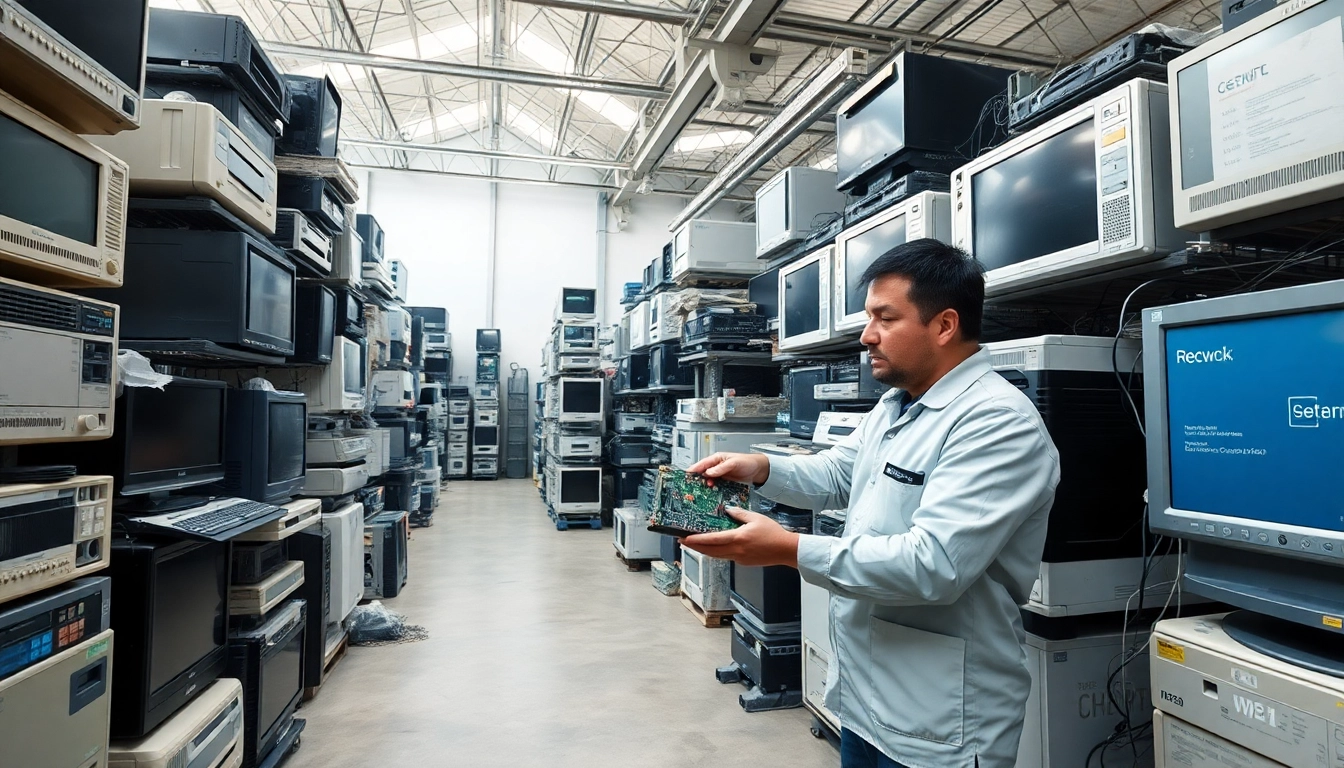
Computer recycling refers to the process of collecting and treating electronic waste (e-waste) to retrieve valuable materials and reduce environmental harm. This involves dismantling old computer systems and repurposing their components, such as metals, plastics, and circuit boards, which can be reused in new products. Effective computer recycling practices help mitigate the environmental impact of e-waste, promoting sustainability and responsible resource management.
Importance of Recycling Electronics
The imperative for recycling electronics is underscored by the rapid growth of e-waste globally. Each year, millions of tons of electronic devices are discarded, contributing to pollution and waste management challenges. By engaging in electronics recycling, individuals and organizations can:
- Reduce landfill overflow: Proper recycling helps divert e-waste from landfills, where it can leach harmful substances into the soil and water.
- Conserve resources: Many components found in computers are made from finite resources. Recycling enables the recovery of valuable materials, such as copper and aluminum.
- Promote responsible disposal: Communities benefit when technology is disposed of responsibly, fostering a culture of environmental awareness.
Common E-Waste Misconceptions
Myths about e-waste recycling can hinder participation in sustainable practices. Here are a few misconceptions:
- All e-waste can go in the regular trash: This is false, as improper disposal can have serious environmental consequences.
- Recycling is too complicated: Many local facilities offer straightforward recycling programs that simplify the process for consumers.
- Recycling electronics is not beneficial: In reality, recycling electronics can have significant positive impacts on the economy and environment.
Benefits of Computer Recycling Newbury
Environmental Impact
The environmental benefits of computer recycling include the reduction of hazardous waste. Proper processing of electronic components prevents toxic substances, such as lead, mercury, and cadmium, from contaminating natural ecosystems. Moreover, by recycling, we can significantly lower greenhouse gas emissions associated with the manufacturing of new products, leading to a healthier planet.
Economic Advantages
Computer recycling also yields economic benefits. The recycling industry creates jobs in collection, processing, and retailing the recovered materials. Additionally, businesses that invest in recycling initiatives can enhance their corporate social responsibility profiles while also saving on material costs by using recycled components rather than virgin raw materials. By utilizing computer recycling newbury services, local businesses can improve their sustainability efforts and, as a result, their bottom line.
Data Security Assurance
An often-overlooked aspect of computer recycling is data security. Proper e-waste recycling ensures that sensitive information is destroyed in a secure manner. Many recycling facilities are equipped to erase hard drives and data storage devices, helping businesses and individuals protect against data breaches and identity theft. Utilizing certified recyclers can provide peace of mind that data safety protocols are in place.
How to Recycle Your Old Computer
Step-by-Step Recycling Process
Recycling an old computer is a straightforward process:
- Evaluate the computer: Determine if the computer can be refurbished or repaired. This could extend its life and reduce waste.
- Back up data: Prior to recycling, ensure all vital information is backed up to prevent loss.
- Factory reset: Perform a factory reset of the device to wipe personal data securely.
- Locate a recycling program: Find a certified recycling program that accepts electronic waste.
- Follow local guidelines: Adhere to any specific recommendations from local recycling centers regarding drop-off or collection.
Preparing Your Computer for Recycling
Before taking your computer for recycling, it’s essential to prepare it correctly:
- Remove all plugs and peripherals, including cables, monitors, and external drives.
- Check if any parts are reusable, such as RAM, hard drives, or video cards, which may be worth selling or donating.
- Ensure all personal data is secured and wiped clean, preventing unauthorized access.
Finding a Local Recycling Facility
Identifying a reputable recycling facility is crucial. Look for local programs that are certified in electronics recycling. Many municipalities provide specific guidelines and lists of certified workers who can responsibly handle e-waste. Researching available services in your area can help ensure that your old computer is disposed of properly.
Challenges in Computer Recycling Newbury
Technological Advancements
Rapid technological changes create challenges for electronic recycling. As devices evolve, staying updated on the best recycling practices can be difficult. E-recyclers must invest in new technologies and processes to keep up, which may shift the landscape continually and affect costs.
Regulatory Compliance Issues
The recycling industry operates under numerous laws and regulations. Navigating these can be daunting for recyclers. Non-compliance can lead to severe penalties and environmental harm. Understanding specific state regulations surrounding e-waste and ensuring compliance is critical for legal operation and environmental safety.
Consumer Awareness and Education
Despite the importance of recycling, many consumers remain uninformed about the potential consequences of e-waste and the benefits of recycling electronics. Lack of awareness can lead to low participation rates. Educational programs that demonstrate the impacts of e-waste and encourage responsible recycling practices are essential to drive participation.
Future of Computer Recycling Newbury
Innovations in Recycling Technologies
The future of computer recycling is promising, thanks to innovations in recycling technologies. Advanced machinery is now capable of separating and processing different materials more efficiently, maximizing recovery rates. Robotics and AI play a significant role in improving sorting processes, which enhances the effectiveness of electronic waste recycling.
Trends in E-Waste Management
Emerging trends in e-waste management indicate a growing emphasis on sustainability within the electronics industry. Manufacturers are increasingly held accountable for the entire lifecycle of their products, leading to designs that incorporate recyclability. This trend encourages innovation and quality improvements among producers, benefiting consumers and the environment alike.
Importance of Community Engagement
Community engagement plays a vital role in effective e-waste recycling initiatives. Collaborative efforts that foster awareness among local residents can drive significant change. Events, workshops, and incentives by local governments and organizations can motivate individuals to participate in recycling programs and influence behavior at a community level.
Frequently Asked Questions
How do I safely dispose of my old computer?
You can dispose of your old computer safely by finding a local e-waste recycling center that follows environmental regulations. Make sure to wipe personal data before recycling.
What is the correct way to dispose of old computers?
Old computers should not be discarded in regular trash. Instead, recycle through certified programs or local retailers that offer take-back initiatives to ensure responsible disposal.
Can I recycle my computer for free?
Yes, many local programs offer free recycling services for computers and e-waste. Check with your municipality for scheduled collection events or drop-off locations.
Is computer recycling mandatory?
While not universally mandatory, many states have laws that regulate e-waste disposal, encouraging recycling over landfill disposal to protect the environment.
What happens to my computer after recycling?
After recycling, the computer is dismantled, and its components are sorted. Usable materials are refurbished or shredded for material recovery, while hazardous substances are safely disposed of.