Introduction to the Everest Base Camp Trek
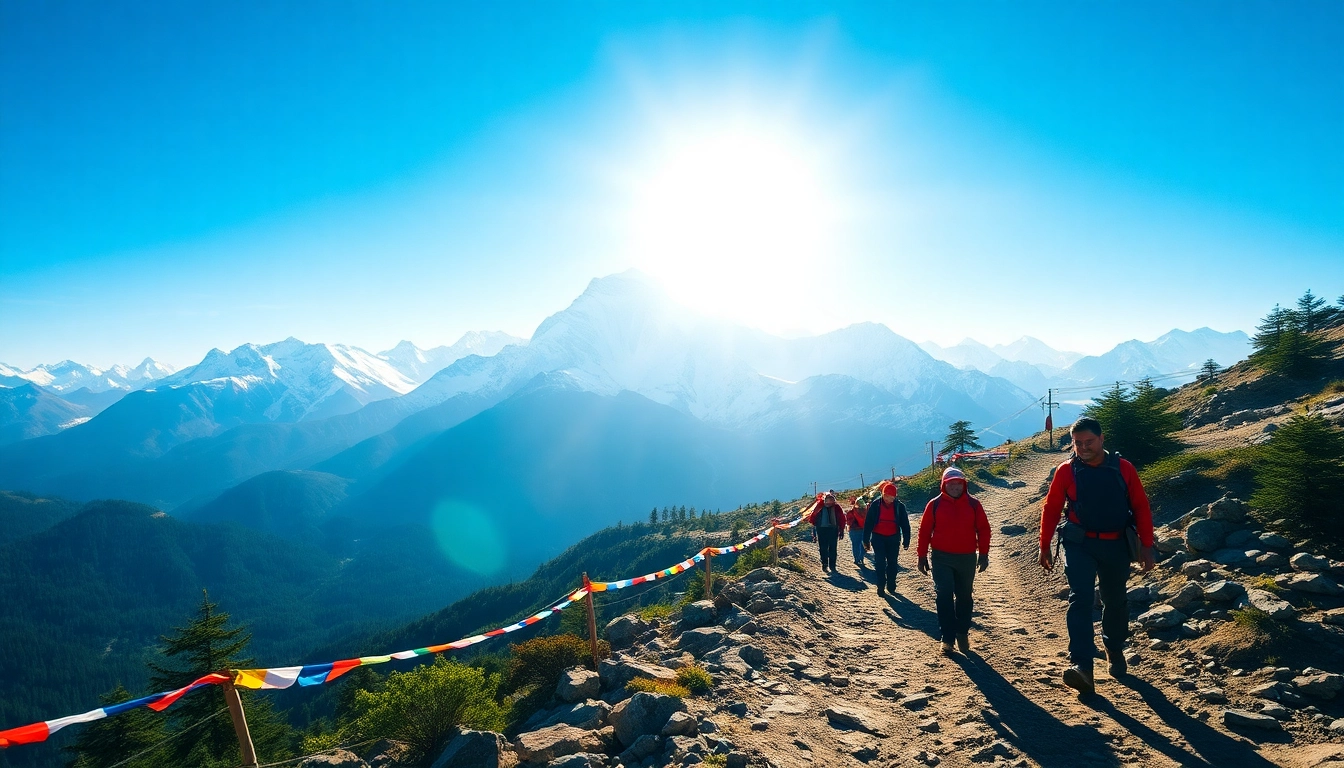
The Everest Base Camp Trek (EBC Trek) is not just a journey; it’s a rite of passage for adventure enthusiasts and nature lovers alike. Nestled in the heart of the Himalayas, this iconic trek takes adventurers to the base of Mount Everest, the tallest peak in the world. Over a span of 14 days, trekkers traverse diverse terrains, experience the unique culture of the Sherpa people, and witness breathtaking vistas. The trek starts with a flight from Kathmandu to Lukla, often regarded as one of the most thrilling flights globally, with stunning views of the Himalayas. As trekkers ascend through lush forests and quaint villages, they also engage in essential acclimatization practices, ensuring a safe journey through the varying altitudes. For those ready to embark on this unforgettable adventure, our Everest Base Camp Trek promises a once-in-a-lifetime experience.
What Makes the Everest Base Camp Trek Unique?
The Everest Base Camp Trek is distinct for its combination of natural beauty, cultural richness, and physical challenge. The trek traverses the Sagarmatha National Park, a UNESCO World Heritage Site, which is home to numerous flora and fauna, some of which are endemic to the region. Additionally, the trek offers a unique opportunity to engage with the local Sherpa culture, providing insights into their lifestyle, customs, and traditions. Monumental landmarks such as the Tengboche Monastery, the largest monastery in the Everest region, offer spiritual and cultural enrichment along the route.
The Importance of Acclimatization During the Trek
One of the most critical aspects of successfully completing the Everest Base Camp Trek is acclimatization. The trek reaches a maximum altitude of approximately 5,364 meters (17,598 feet) at base camp, where the oxygen level is significantly lower than at sea level. Acclimatization days are strategically placed within the itinerary, allowing trekkers to adjust to decreasing oxygen levels gradually. These rest days, particularly at Namche Bazaar and Dingboche, are vital in preventing altitude sickness and ensuring trekkers can continue their journey safely. Engaging in light hikes during acclimatization days not only aids in physical adjustment but also allows trekkers to explore stunning viewpoints and surrounding areas.
Overview of Trekking Seasons and Weather Patterns
The best times to embark on the Everest Base Camp Trek are during the spring (March to early June) and autumn (mid-September to November). During spring, the weather is generally warmer, and the views of the snow-capped peaks are often crystal clear. The autumn months feature stunning autumnal colors across the Himalayan landscapes, making it equally appealing. However, trekkers should be aware that the weather can be unpredictable, with potential rain, snow, and extreme cold, especially during winter months. Proper preparation for such conditions is essential for a safe and enjoyable trekking experience.
Detailed Itinerary for the Everest Base Camp Trek
Day-by-Day Breakdown of the 14-Day Trek
The 14-day Everest Base Camp Trek is meticulously planned to balance trekking, acclimatization, and cultural experiences. The journey begins upon arrival in Kathmandu, followed by a flight to Lukla and the first day of trekking to Phakding. Below is a day-by-day breakdown of the trek:
- Day 1: Arrival in Kathmandu and transfer to hotel.
- Day 2: Fly to Lukla and trek to Phakding.
- Day 3: Trek to Namche Bazaar.
- Day 4: Acclimatization day in Namche; hike to Hotel Everest View.
- Day 5: Trek to Tengboche.
- Day 6: Trek to Dingboche.
- Day 7: Acclimatization day; hike to Nangkartsang Peak.
- Day 8: Trek to Lobuche.
- Day 9: Trek to Everest Base Camp and back to Gorak Shep.
- Day 10: Morning hike to Kala Patthar; descend to Pheriche.
- Day 11: Trek to Namche Bazaar.
- Day 12: Trek back to Lukla.
- Day 13: Flight back to Kathmandu or Manthali; drive to Kathmandu.
- Day 14: Transfer to the international airport for departure.
Key Highlights and Side Hikes to Consider
Throughout the trek, there are several key highlights and optional side hikes that enhance the experience. Notable points include:
- Gorak Shep: The last settlement before Everest Base Camp, offering stunning views and a chance to rest.
- Kala Patthar: Renowned for breathtaking sunrise views over Everest and surrounding peaks.
- Tengboche Monastery: A cultural gem where trekkers can witness Buddhist ceremonies.
- Hike to Nangkartsang Peak: A great acclimatization hike providing panoramic views of the region.
Acclimatization Days: Importance and Activities
Acclimatization days are specifically designed to allow trekkers to adjust to the altitude. In Namche Bazaar, trekkers can explore the local markets, visit the Sherpa Museum, or hike to Everest View Hotel. In Dingboche, the hike to Nangkartsang Peak is recommended for its striking views. These activities ensure that trekkers can enjoy their experience while minimizing the risk of altitude sickness.
Costs and Inclusions for the Everest Base Camp Trek
Understanding Package Pricing for 2025
The cost of the Everest Base Camp Trek varies depending on the trekking company and included services. In 2025, standard packages typically range from USD 1,650 to USD 2,000 per person. Factors influencing prices include accommodations, meals, guide and porter services, permits, and transportation. It’s essential to compare package offerings to ensure you receive the best value for your trekking experience.
What is Included in the Trek Package?
Most trekking packages for the EBC journey include:
- Accommodation in Kathmandu and along the trek
- Domestic flights or transportation to and from Lukla
- All meals during the trek
- Experienced guides and porters
- Required permits and entry fees
- First aid support and emergency protocols
Additional Expenses: Budgeting for the Trek
In addition to the package cost, trekkers should budget for additional expenses. These may include:
- Snacks and beverages along the trail
- Hot showers and charging electronic devices
- Tips for guides and porters (typically 10% of the total trip cost)
- Travel insurance covering high-altitude activities
Travelers should plan for around USD 15 to 20 per day for these additional costs.
Preparing for the Trek: Gear and Training
Essential Packing List for the Everest Base Camp Trek
Proper gear is crucial for the Everest Base Camp Trek. Here’s a recommended packing list:
- Footwear: Sturdy trekking boots, comfortable sandals, and warm socks.
- Clothing: Layered clothing, including thermal base layers, fleece jackets, and waterproof outer layers.
- Accessories: Hats, gloves, and sunglasses for sun protection.
- Sleeping Gear: Sleeping bag rated for -15°C and a down jacket (available for rent).
- First Aid Kit: Include altitude medication, pain relief, and personal medications.
- Hydration: Reusable water bottle and purification tablets.
Physical Training: Preparing for High Altitude Hiking
Physical fitness is essential for successfully completing the EBC trek. Recommended training should focus on:
- Cardiovascular exercises: Running, cycling, or hiking regularly.
- Strength training: Building core and leg strength for trekking.
- Simulating trekking conditions: Practice hiking with a loaded backpack on varied terrain.
Engaging in these fitness activities for at least 2-3 months before the trek will significantly boost performance and endurance.
Tips for Selecting the Right Trekking Gear
Choosing appropriate trekking gear can make or break your experience on the EBC trek. Here are some tips:
- Invest in quality footwear that fits well and provides good ankle support.
- Opt for moisture-wicking fabrics that keep you dry and regulate body temperature.
- Consider renting gear locally in Kathmandu to avoid excess luggage costs.
- Check online reviews and recommendations for trekking gear brands and stores.
Safety and Support During the Everest Base Camp Trek
Health Risks and Altitude Sickness Prevention
Altitude sickness is a significant concern for trekkers in high-altitude environments. Understanding its symptoms—headaches, nausea, and fatigue—is crucial. To mitigate risks:
- Take acclimatization days seriously, as recommended.
- Stay hydrated and nourished to maintain energy levels.
- Listen to your body, and don’t hesitate to descend if you experience severe symptoms.
The Role of Guides and Porters in Ensuring Safety
Having experienced guides and porters can greatly enhance safety during the EBC trek. Guides are trained in first aid and altitude sickness recognition, while porters help carry the load, allowing trekkers to focus on the journey. Their local knowledge provides insights into safe routes and cultural etiquette.
Emergency Protocols and Access to Medical Support
In the event of a medical emergency, having a well-structured itinerary with access to evacuation options is important. Guides are equipped with communication devices to alert rescue services if needed. Travelers should also have comprehensive travel insurance covering high-altitude treks, ensuring access to medical care whenever necessary.