
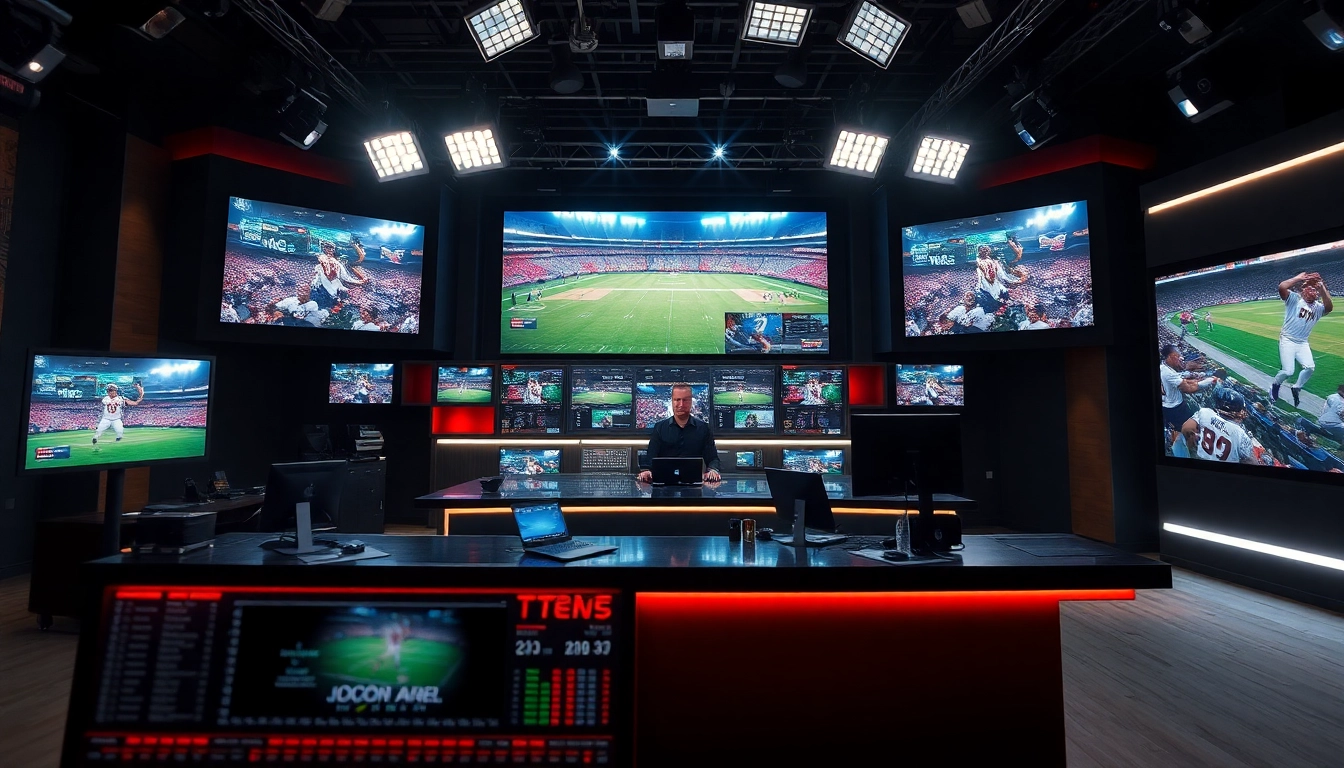
Understanding the Fundamentals of Sports Broadcasting
What Is Sports Broadcasting?
Sports broadcasting refers to the dissemination of live sports events and related content through various channels, including television, radio, and digital platforms. In today's digital age, this field has seen expansive growth, driven by audience demand for real-time information and engagement. The significance of Sports Broadcasting lies not just in the coverage of events but also in how it shapes the viewer experience and fosters a community among fans.
Key Components of Sports Broadcasting
At the core of sports broadcasting are several key components that work synergistically to deliver content effectively: coverage, analysis, commentary, and fan interaction. Coverage involves live event reporting, while analysis provides insights into gameplay and player performance. Commentary offers a narrative that enhances the viewing experience, and fan interaction, facilitated through social media and live chats, keeps the audience engaged before, during, and after events. Together, these components create a comprehensive broadcasting landscape.
History and Evolution of Sports Broadcasting
The journey of sports broadcasting began with radio in the early 20th century and progressed towards television in the 1950s. Over decades, sports coverage has expanded from merely relay beacons of information to intricate productions, complete with highlights, expert analysis, and interactive features. The advent of the internet and streaming services has further transformed the landscape, providing fans with unprecedented access to content. This evolution reflects the dynamic relationship between technology and audience expectations.
Technology’s Role in Sports Broadcasting
Advanced Broadcasting Equipment
Today’s sports broadcasting heavily relies on advanced equipment. From high-definition cameras and drones capturing aerial shots to sophisticated audio systems ensuring crystal-clear sound, the technological advancements have redefined how events are produced and presented. Broadcast trucks equipped with mixing consoles and powerful servers can handle the complex demands of live sports efficiently.
Live Streaming Solutions and Technologies
Live streaming technologies have revolutionized how sports are consumed. Services like OTT (Over-The-Top) platforms allow audiences to watch games from anywhere, breaking geographical barriers. Innovations such as 4K streaming enhance image quality, while adaptive bitrate streaming ensures that viewers have a seamless experience, regardless of their internet connection. This evolution has fundamentally changed the landscape, making sports more accessible than ever.
Impact of Social Media on Sports Broadcasting
Social media platforms have become integral to sports broadcasting strategies. They provide real-time updates, host discussions, and engage fans directly. Executives and broadcasters increasingly leverage platforms like Twitter, Instagram, and TikTok to promote events, share highlights, and create a dialogue with supporters. As a result, engagement extends beyond the screen, fostering community and loyalty among fans.
Best Practices for Effective Sports Broadcasting
Engaging Your Audience with Interactive Content
To capture and retain audience attention, broadcasters need to embrace interactive content. Polls, live Q&A sessions, and fan reaction segments can foster deeper engagement. Audience participation not only keeps viewers interested but also enhances their connection to the broadcast. Incorporating user-generated content, such as fan predictions and photos, can further personalize the experience.
Effective Commentary Techniques
Commentary plays a crucial role in sports broadcasting. Effective commentators not only provide play-by-play descriptions but also weave storytelling into their narratives. This blend of information and entertainment captivates audiences and enhances their understanding of the game. Commentators must also anticipate viewer questions, providing insights and analyses that address their curiosity about plays, strategies, and player performances.
Leveraging Statistics and Analysis
Data analytics has transformed sports broadcasting, enabling deeper insights into gameplay. By leveraging statistics, broadcasters can provide richer narratives, contextualize performances, and enhance viewer engagement. Integrating real-time statistics into broadcasts—a practice that includes enhanced graphics showing player statistics and team comparisons—can significantly elevate the viewer's experience and comprehension.
Challenges in Sports Broadcasting
Dealing with Competition
The sports broadcasting industry is increasingly competitive, with various platforms vying for audience attention. Traditional broadcasters face challenges from new entrants like streaming services and social media platforms. Navigating this landscape requires a focus on quality content, niche targeting, and innovative delivery methods. Establishing partnerships and collaborations can also be beneficial for expanding reach.
Managing Audience Expectations
With the growing demand for instant access to content, managing audience expectations presents a significant challenge. Viewers expect not just live broadcasts but rich contextual information and analyses. Broadcasters must continually adapt to meet these expectations while ensuring content remains relevant, engaging, and timely, particularly in an era where attention spans are dwindling.
Ensuring Content Accessibility
Accessibility in sports broadcasting is more than just adhering to regulations; it's about including all audiences, regardless of their physical abilities or technological capabilities. This can include providing commentary for the visually impaired, subtitles for the hearing impaired, and offering broadcasts on various platforms to reach audiences with limited access. Organizations can expand their reach by implementing these practices, ensuring that everyone can enjoy live sports.
Future Trends in Sports Broadcasting
Emerging Technologies and Innovations
As technology continues to advance, we can expect substantial innovations in sports broadcasting. Augmented reality (AR) and virtual reality (VR) technologies promise to revolutionize the viewer experience by providing immersive coverage, such as virtual seat options that give fans a feel of being in the stadium. Additionally, AI-driven analytics will allow for more tailored content and insights, reshaping how fans engage with their favorite sports.
Future of Remote Broadcasting
The shift towards remote broadcasting, accelerated by recent global events, is set to continue. This trend reduces production costs and allows broadcasters to cover multiple events simultaneously with fewer logistical challenges. Enhanced remote capabilities mean broadcasters can deliver high-quality content from diverse locations, ensuring they remain responsive to the ever-changing demands of their audience.
Expanding Global Reach of Sports Broadcasting
The global reach of sports broadcasting is expanding thanks to digital platforms and partnerships with international networks. Broadcasters are experimenting with multilingual options and localized content to cater to diverse audiences. Such initiatives not only increase accessibility but also enhance viewer engagement by providing culturally relevant perspectives on sports events.
FAQs
1. What skills are essential for a sports broadcaster?
Essential skills include strong communication abilities, an understanding of sports, analytical thinking, and the capacity to connect with the audience. Experience in journalism or broadcasting can also be beneficial.
2. How has technology changed sports broadcasting?
Technology has transformed sports broadcasting by enabling high-definition viewing, real-time statistics, and interactive features, thus enhancing the overall viewer experience.
3. What role does social media play in sports broadcasting?
Social media engages fans through live updates, behind-the-scenes content, and interaction, creating a community around sports events and enhancing viewer connection.
4. How do broadcasters ensure content is accessible?
Broadcasters ensure accessibility by providing subtitles, commentary for the visually impaired, and diverse viewing options on various platforms to accommodate all audiences.
5. What are some emerging trends in sports broadcasting?
Emerging trends include increased remote broadcasting, the integration of AR and VR technologies, and a growing focus on global reach through multilingual content and partnerships.