Understanding Die Casting in Malaysia
Die casting is a fundamental manufacturing process that plays a pivotal role in the production of high-precision parts across various industries. In Malaysia, where the demand for high-quality metal components continues to rise, the die casting company malaysia has further developed its capacities to cater to both local and international markets. This article seeks to explore the various aspects of die casting, particularly focusing on its processes, materials, and the significant impact it has in Malaysia's manufacturing landscape.
The Basics of Die Casting
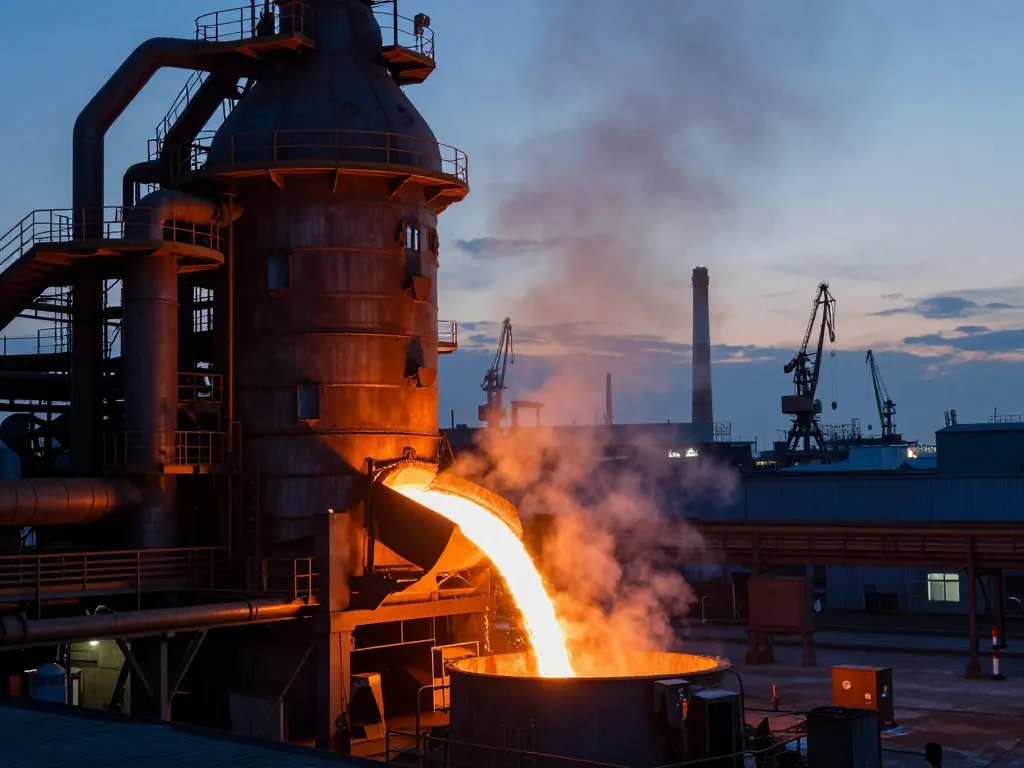
Die casting is a manufacturing process that involves forcing molten metal into a mold cavity under high pressure. This technique allows for the creation of complex shapes with high dimensional accuracy and excellent surface finish. The process is widely used for metals like aluminum, zinc, and magnesium, making it a preferred choice in industries such as automotive, electronics, and consumer goods.
Types of Die Casting Processes
In Malaysia, there are primarily two types of die casting processes used: hot chamber die casting and cold chamber die casting. Each method has its unique applications:
- Hot Chamber Die Casting: This method is typically used for zinc and magnesium alloys. The molten metal is kept in a reservoir and injected into the mold using a gooseneck.
- Cold Chamber Die Casting: Utilized for aluminum and other metals, this process requires the metal to be melted in a separate furnace and then ladled into the injection chamber before being forced into the die.
Importance of Material Selection
Choosing the right material for die casting is crucial. Aluminum, for example, is lighter and provides excellent corrosion resistance, making it ideal for various applications. Zinc, on the other hand, is known for its strength and durability. The selection of material greatly influences the final product's performance and cost-effectiveness.
Key Factors in Selecting a Die Casting Company Malaysia
When deciding on a die casting partner in Malaysia, several key factors must be evaluated to ensure that the selected company meets your production needs and quality standards. Here are the primary considerations:
Evaluating Production Capabilities
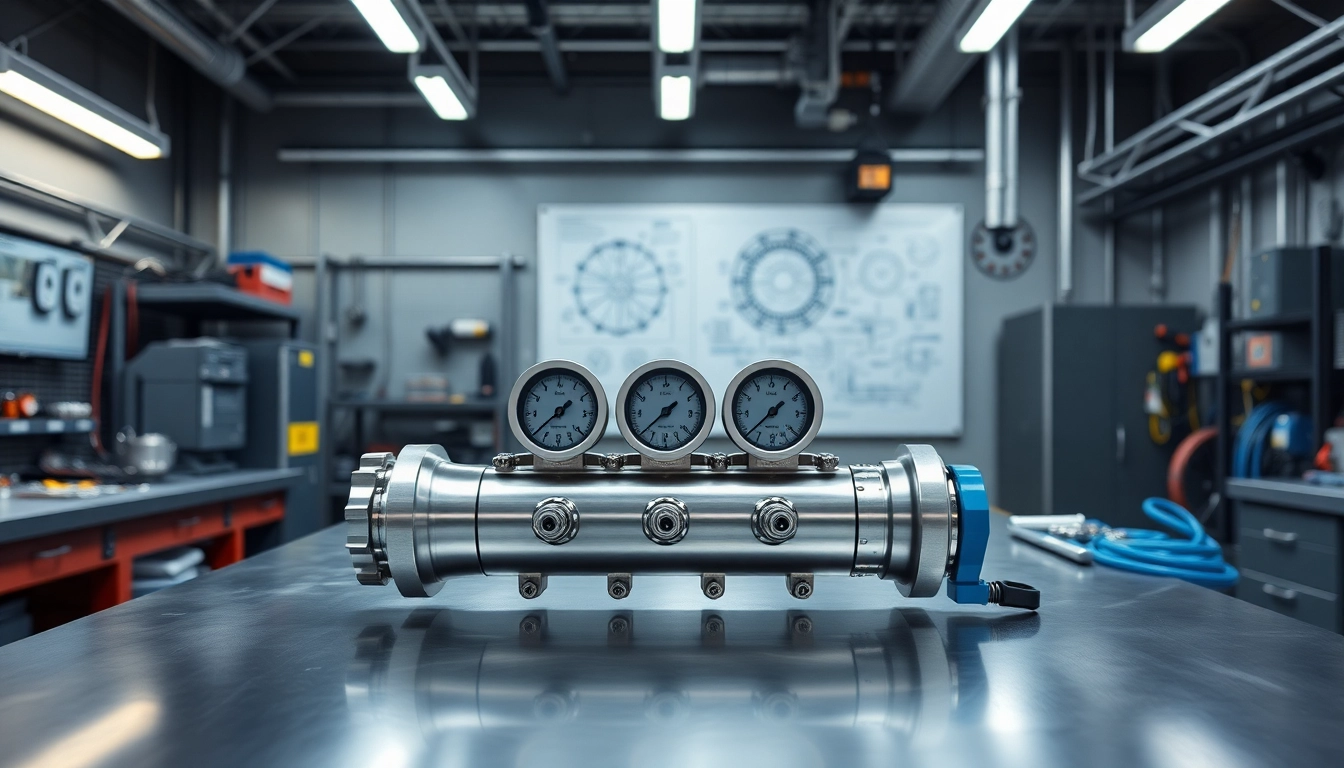
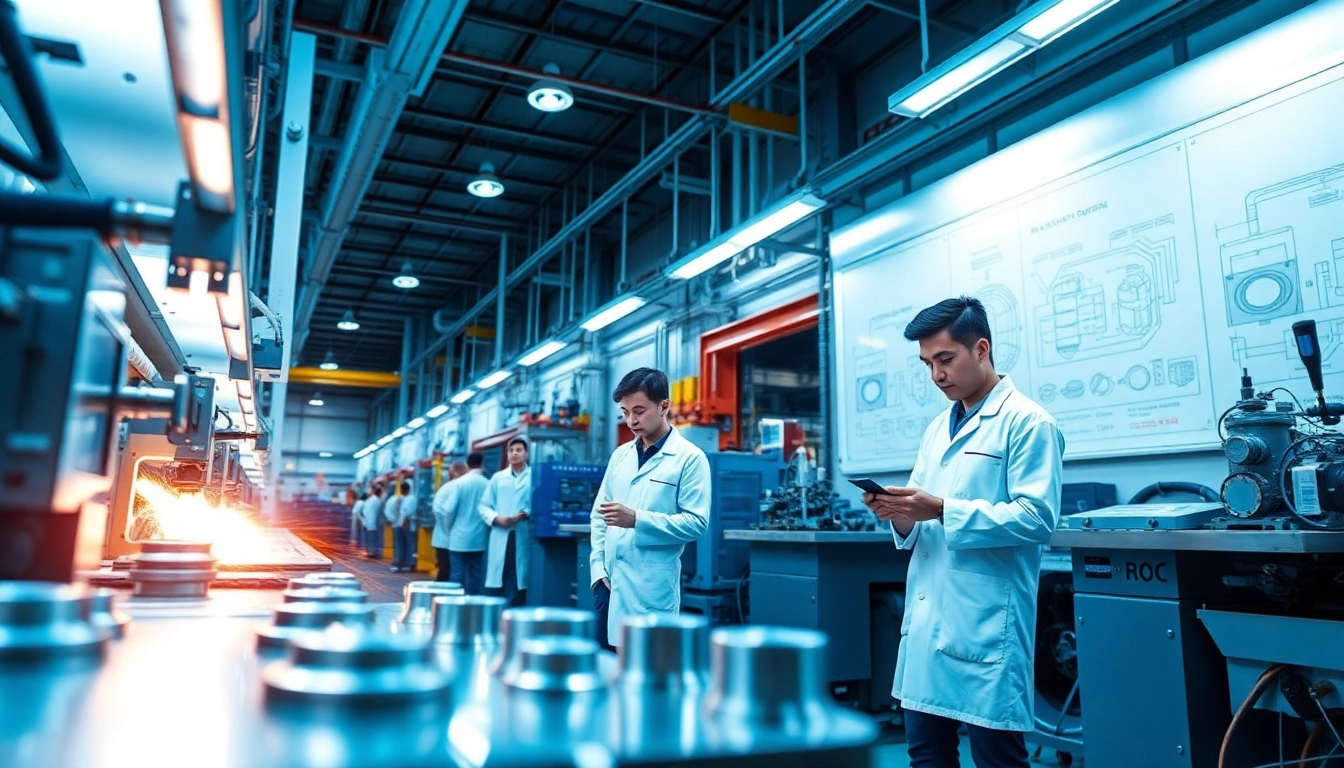
It is imperative to assess the production capabilities of the die casting company. This includes evaluating their machinery, technology, and workforce to ensure they can meet your specific production requirements. Companies that utilize advanced technologies can offer enhanced precision and efficiency.
Importance of Quality Control Measures
Quality control is another critical aspect of the die casting process. A reputable die casting company should have rigorous quality assurance protocols in place, including regular inspections, testing, and certifications to ensure that the products meet industry standards.
Assessing Industry Experience and Expertise
Industry experience can be a strong indicator of a company’s reliability. Look for manufacturers with a proven track record in die casting specific to your industry. Their expertise can often lead to better insights into production, design adjustments, and material selection, ultimately ensuring project success.
Common Challenges Faced in Die Casting
Despite its advantages, die casting also comes with its own set of challenges that companies in Malaysia must navigate. Understanding these challenges is vital for improved outcomes.
Understanding Cost Implications
One of the significant challenges in die casting is cost management. The initial setup costs can be high, particularly for tooling and molds. However, when managed effectively, die casting can lead to lower production costs in the long run.
Overcoming Production Delays
Production delays can arise from various factors, including equipment malfunction or supply chain disruptions. It is crucial to work closely with the die casting manufacturer to mitigate these risks through proactive planning and contingency strategies.
Addressing Quality Concerns
Quality issues, such as defects and inconsistencies, can deter potential clients. Addressing these concerns requires stringent quality control measures and continuous improvements in the manufacturing process.
Best Practices for Collaboration with a Die Casting Manufacturer
Collaborating effectively with a die casting company can enhance the production experience and lead to better results. Here are some best practices:
Effective Communication Strategies
Open and clear communication between your team and the die casting manufacturer is essential. Ensure that all specifications and expectations are communicated upfront to avoid misunderstandings later in the process.
Setting Clear Expectations
Setting clear, achievable expectations helps in aligning objectives and timelines. Both parties should agree on production schedules, quality standards, and communication methods to ensure smooth operations.
Building Long-term Partnerships
Developing long-term relationships with a die casting manufacturer can lead to better pricing, improved service, and enhanced collaboration, further strengthening your supply chain.
Future Trends in Die Casting for 2025 and Beyond
As the die casting industry continues to evolve, several trends are emerging that could reshape the landscape in Malaysia and beyond:
Emerging Technologies in Die Casting
Innovative technologies, such as robotics and artificial intelligence, are becoming increasingly integrated into the die casting process. These advancements can improve efficiency, reduce labor costs, and enhance precision.
Shift Towards Sustainable Practices
The push for sustainability is affecting all manufacturing sectors, including die casting. Companies are exploring eco-friendly materials and practices, such as recycling scrap metal and reducing energy consumption during the production process.
The Role of Automation in Die Casting
Automation is set to play a crucial role in the future of die casting, particularly in enhancing production rates and maintaining quality control. Companies that embrace automation are likely to gain a competitive edge in the market.