Understanding the Benefits of a Sunroom Addition
In today's real estate market, homeowners are continually seeking ways to enhance their living spaces and increase the value of their properties. One highly effective option is to consider a sunroom addition. This versatile structure can transform the ambiance of your home by providing additional natural light, expanding usable living space, and improving aesthetic appeal. Below, we will explore the multifaceted benefits of a sunroom addition, underscoring why they have become increasingly popular among homeowners.
Enhancing Home Value
One of the most apparent benefits of a sunroom addition is the potential increase in your home's market value. Real estate analysts consistently report that properties featuring sunrooms tend to sell at higher prices than comparable homes without such features. The appeal of a sunroom lies in its ability to blend indoor comfort with outdoor scenery, making it an attractive element for prospective buyers.
Statistics reveal that homeowners can expect to recoup a significant percentage of their investment back when selling their home, making it not only a lifestyle enhancement but also a wise financial decision. While the exact return on investment varies based on your location and market conditions, a sunroom offers an enviable blend of functionality and aesthetic value.
Increased Natural Light
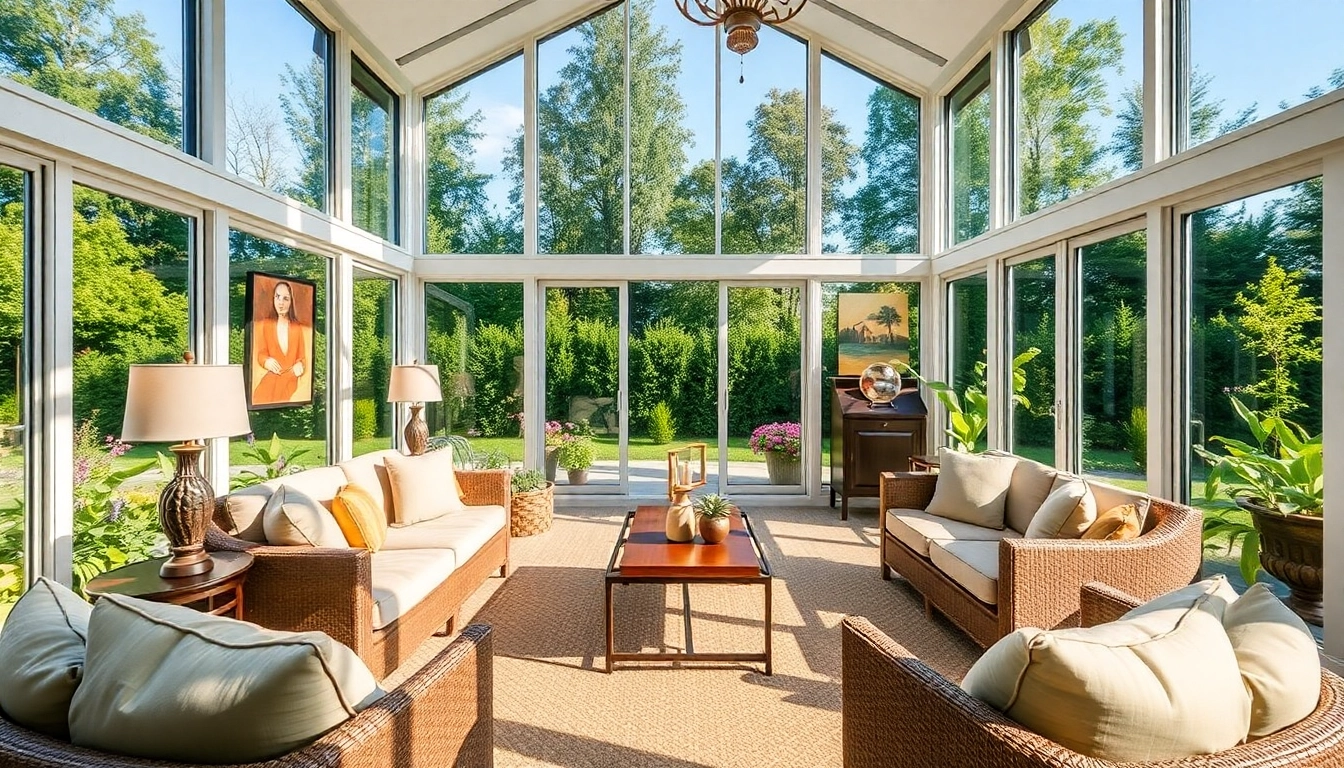
Sunrooms are designed to be bathed in natural light, providing an inviting atmosphere that can improve mood and enhance overall well-being. Exposure to natural light has been proven to boost productivity and mental health, making sunrooms ideal spaces for relaxation, reading, or even working from home. Large glass windows and skylights can usher in light while connecting you to the outdoors without the drawbacks of weather changes, insects, or other outdoor inconveniences.
Versatile Living Space
Another advantage of a sunroom addition is its versatility. These spaces can be adapted to a multitude of uses depending on your preferences and lifestyle needs. From tranquil reading areas to vibrant family rooms or entertaining spaces, the options are virtually limitless. Moreover, sunrooms can serve as transition spaces, enhancing access from the home to the outdoors or providing clear delineation between different areas of your house.
Homeowners often find sunrooms perfect for cultivating plants, creating office spaces, or assembling art studios, further widening their applicability. This flexibility makes them a favored choice among diverse homeowners, catering to various interests and family dynamics.
Key Considerations Before Your Sunroom Addition
While the benefits of a sunroom addition are abundant, various essential factors need consideration to ensure a successful project. Every successful addition begins with careful planning and thorough understanding.
Budgeting Your Project Costs
Understanding the financial implications of your sunroom addition is crucial. The average cost for a sunroom can range significantly based on its size, materials, and complexity of installation. Expect to budget anywhere from $18,000 to over $50,000 for your project, depending on whether you opt for a simple three-season room or a more complex four-season configuration.
In addition to the initial construction costs, consider operational expenses such as heating, cooling, and electricity, particularly if your sunroom functions as a year-round space. Establishing a comprehensive budget will help you avoid unexpected financial burdens later on.
Choosing the Right Design
The design of your sunroom should harmonize with the existing architectural style of your home. Engaging with a professional designer can be highly beneficial. They can assist you in identifying which elements will complement your current aesthetic while considering factors like lighting, landscaping, and materials. It's crucial to choose designs that not only fulfill your vision but also enhance functionality and energy efficiency.
Permits and Building Codes
Another significant consideration involves local regulations. Most regions require permits for structural additions, including sunrooms. Understanding these requirements is integral to your project, as non-compliance can lead to fines or complications during the selling process. Consult with your local building department to understand any zoning laws, building codes, and permit requirements needed for your sunroom addition.
Types of Sunroom Additions to Consider
When opting for a sunroom addition, you have several styles and configurations to choose from, depending on your needs, lifestyle, and budget. Here are the most common types:
Four-Season Sunrooms
Four-season sunrooms are designed to be used year-round and are typically insulated to maintain reasonable temperatures, regardless of outdoor weather. They often feature heating and cooling systems, ensuring comfort in both summer and winter. This versatile option offers the best of both worlds, allowing homeowners to enjoy their sunrooms during all seasons, making them a favored choice for many. The added insulation and proper sealing can lead to increased energy efficiency, whether you are looking to relax, entertain guests, or use the space for hobbies.
Three-Season Sunrooms
As the name suggests, three-season sunrooms are designed for use in spring, summer, and fall. These sunrooms typically lack insulation and do not usually have heating systems, making them less suitable for winter use. However, they generally come at a lower price point while still providing a refreshing indoor-outdoor feeling. With screens or large windows, they can merge the comfort of indoors with the allure of nature, allowing you to enjoy the outdoors without the hassle of pests. They are ideal for seasonal gatherings with friends and family.
Screened-In Porches
While often not categorized strictly as sunrooms, screened-in porches offer an alternative for those seeking to enjoy outdoor living without direct exposure to insects or harsh weather elements. These porches provide an open feel while being protected from the elements, making them a cost-effective solution for enhancing outdoor living. Customizable with various screens and designs, they can cater to personal preferences around aesthetics and functionality.
Designing Your Dream Sunroom Addition
Careful design is paramount to maximizing the utility of your sunroom. From selecting materials to layout, it’s essential to consider practical design features that align with your aesthetic goals and functional needs.
Selecting Materials and Finishes
The materials you choose for your sunroom can significantly impact aesthetics and durability. Common materials include wood, vinyl, and aluminum, each associated with different maintenance levels and styles. Windows and roofing are pivotal in determining the amount of natural light coming into space, so investing in double or triple-glazed options can enhance energy efficiency while minimizing condensation issues.
Homeowners may also opt for energy-efficient glass to maximize sunlight penetration while minimizing heat loss. Consider selecting materials that not only align with your budget but also suit your desired lifespan and appearance.
Creating a Functional Layout
The layout of your sunroom should focus on maximizing the use of space while ensuring comfort. For instance, strategically placing furniture can help facilitate conversations or create intimate gathering areas. Consider integrating storage solutions or multi-functional furniture to enhance the utility of the space without overcrowding it.
Open layouts that utilize natural light efficiently can help establish an airy feel, making it a pleasant addition to your home. Whether equipped with a seating area, dining table, or even a gardening space, envisioning how you will use your sunroom will guide your design choices significantly.
Incorporating Decor and Accessories
The interior of your sunroom should convey your personal style while remaining functional. Decor items such as rugs, plants, and comfortable seating can transform a sunroom into a lively extension of your home. By investing in decor that reflects your style, you create a welcoming atmosphere suited for relaxation or entertainment.
Additionally, think about window treatments that allow you to control sunlight intake when needed. Depending on your design vision, consider incorporating ceiling fans or heaters to enhance comfort and adjust to your climate preferences.
Maintenance Tips for Your Sunroom Addition
To retain its allure and functionality, regular maintenance of your sunroom is essential. Here are critical upkeep tips to keep your space looking its best.
Regular Cleaning and Care
Routine cleaning is the cornerstone of sunroom maintenance. Dust and debris can accumulate on windows and surfaces, obscuring the views and dulling the aesthetic appeal. Use appropriate cleaning solutions for glass to maintain clarity and transparency while avoiding abrasive products that can harm finishings.
Don’t neglect the frames, furniture, or flooring; ensure they receive adequate care based on their material type. Establishing a cleaning schedule can help make this task more manageable.
Seasonal Preparations
Preparing your sunroom for seasonal transitions can prevent issues such as heat loss or roof damage. In colder months, ensure windows are sealed properly to minimize drafts, and consider covering outdoor furniture to protect it from adverse weather. During spring and summer, regularly check your screened areas for tears or damage, and maintain your landscaping for aesthetic appeal.
Energy Efficiency Improvements
As energy efficiency becomes a growing concern for homeowners, consider integrating technologies that enhance your sunroom's performance. Options like solar shades, efficient heating/cooling systems, and energy-efficient windows contribute to long-term sustainability and comfort. Moreover, insulate your sunroom walls and roof adequately to reduce energy costs related to heating and cooling.
FAQs
What is the average cost of a sunroom addition?
The average cost for a sunroom addition fluctuates from $18,000 to $50,000, depending on size, materials, and complexity.
How long does it take to build a sunroom addition?
Typically, a sunroom addition can take several weeks to a couple of months, based on project complexity and permitting processes.
Do I need a permit for a sunroom addition?
Yes, most areas require permits for structural additions, including sunrooms. Check with local authorities for specific requirements.
Can I use my sunroom addition year-round?
Four-season sunrooms are designed for year-round use, while three-season options are not suitable for winter without heating.
What features can I add to my sunroom addition?
Consider adding ceiling fans, heating and cooling systems, and custom window treatments for enhanced comfort and style.