Introduction to Fly Screens for Patio Doors
As the warmer months approach, many homeowners seek ways to enjoy the fresh air without inviting unwanted pests into their living spaces. A great solution to this dilemma is to install a fly screen for patio doors. These screens not only enhance the quality of your indoor environment but also protect it from bugs, allowing you to relish the natural breeze while keeping your home comfortable and clean.
What Are Fly Screens?
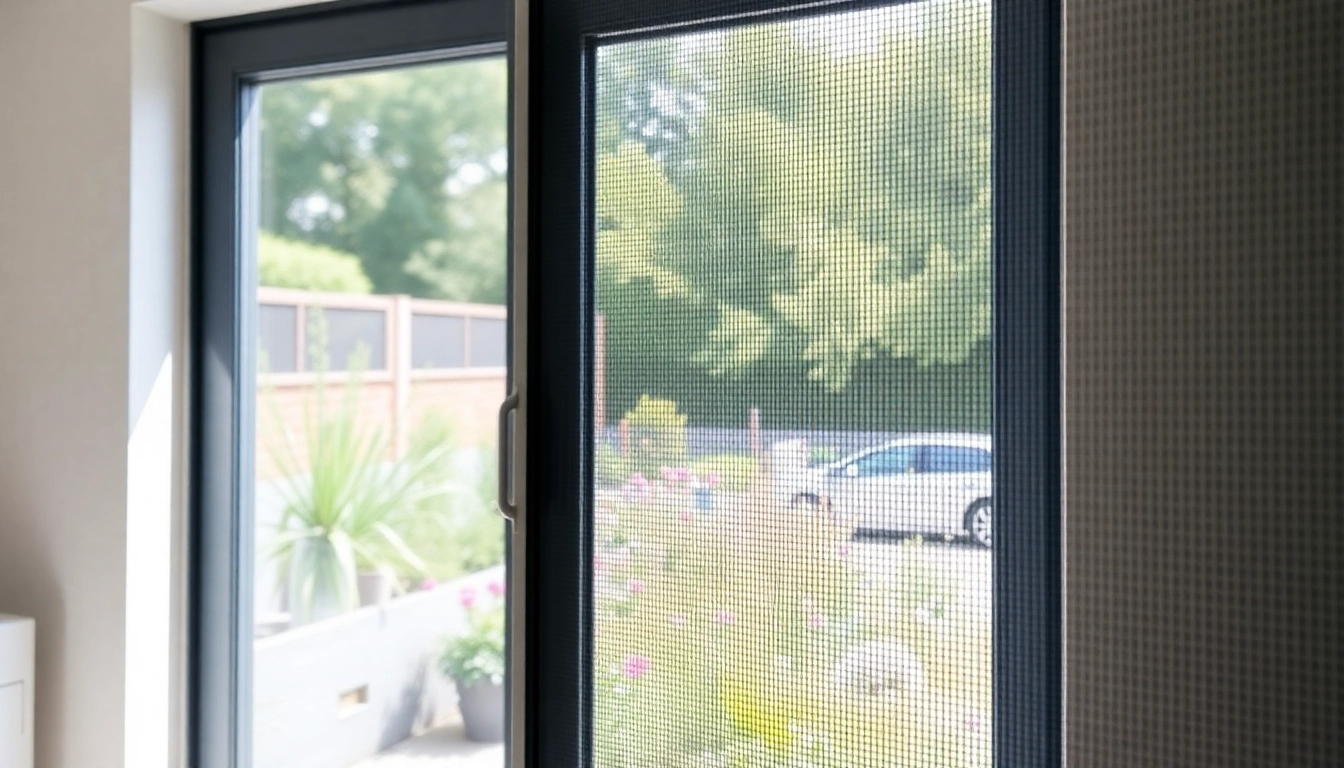
Fly screens, commonly known as insect screens, are mesh screens designed to fit over windows, doors, and patios to keep insects out while allowing fresh air to circulate. They can be made from various materials, including fiberglass, aluminum, and polyester. Typically, fly screens are installed in frames that are mounted on or in the door or window frame, creating a barrier against pesky insects without obstructing your view.
Benefits of Fly Screens for Patio Doors
- Preventing Insect Intrusion: The primary function of fly screens is to keep bugs out, allowing you to enjoy your outdoor space without the threat of annoying pests.
- Enhanced Airflow: Fly screens maintain airflow, which can help reduce the need for air conditioning, lower energy costs, and promote a healthier indoor environment.
- Natural Light:\ They allow natural light to enter your home, brightening your living spaces without inviting insects.
- Health Benefits: By preventing flies and other insects from entering your home, fly screens can help reduce the risk of food contamination and allergic reactions.
- Versatility: Fly screens can be customized to fit a variety of door styles, including sliding doors, French doors, and bi-fold doors, making them a practical solution for any home.
Key Considerations When Choosing Fly Screens
When selecting the perfect fly screen for your patio doors, consider the following factors:
- Material: Different materials offer varying levels of durability, visibility, and ease of maintenance. Fiberglass screens are common due to their flexibility, whereas aluminum options provide sturdiness.
- Type of Screen: Choose between fixed screens, retractable screens, or magnetic screens, each offering unique benefits based on your needs and lifestyle.
- Size and Fit: Accurate measurement is crucial to ensure your fly screen fits perfectly and operates smoothly.
- Installation: Consider whether you will install it yourself or hire a professional. DIY options may save money but require time and some skill.
- Price: Set a budget reflecting your needs while considering long-term benefits such as energy savings and pest prevention.
Types of Fly Screens for Patio Doors
The variety of fly screens available allows homeowners to select the option that best fits their lifestyle and needs. Here are the primary types:
Fixed Fly Screens
Fixed fly screens are permanently installed over door openings and provide a reliable barrier against insects. These screens are made from durable materials and require minimal maintenance. Fixed screens are an excellent choice for those seeking a low-maintenance solution that does not require frequent handling. They often come in a variety of mesh options and colors, allowing customization to match home aesthetics.
Retractable Fly Screens
Retractable fly screens are designed for flexibility and convenience. They can be pulled down or rolled up when not in use, providing an unobstructed view when needed. These screens are especially useful for homeowners who want the option to keep doors open without permanent fixtures. However, retractable screens may be more expensive and may require installation by professionals.
Magnetic Fly Screens
Magnetic screens are an excellent option for frequent access situations. They can be easily installed and removed, featuring two halves of mesh material that close with magnets when you walk through. These screens allow for seamless entry and exit while blocking insects effectively. They are typically less durable than fixed or retractable options but are convenient for homes with children and pets.
Installation Tips for Fly Screens
Installing a fly screen for patio doors can be a straightforward process if you follow essential steps. Below are tips to ensure a smooth installation:
Preparing Your Patio Doors
Before installation, ensure that your patio door frame is clean and free of any debris. Check the frame’s measurements and condition, ensuring there’s no damage or warping that could affect the fitting of the screen.
Measuring for the Perfect Fit
Accurate measurements are crucial when selecting a fly screen. Use a tape measure to find the width and height of the door frame where the screen will be mounted. Measure at multiple points to account for any variations. When purchasing a screen, select one that is slightly larger than your measurements to allow for proper fitting and coverage.
DIY vs. Professional Installation
While many fly screens can be installed by homeowners following instructions, considering professional installation can be beneficial for complicated designs or less experienced DIYers. Professional installers can ensure that your fly screen fits perfectly and operates smoothly, potentially saving you time and frustration.
Maintaining Your Fly Screen for Patio Doors
Regular maintenance of your fly screen will enhance its longevity and performance. Here are some essential tips:
Cleaning and Care Tips
To clean your fly screen, remove it from the door frame and gently wash it using mild soap and water during the warmer months. For tough stains, consider using a soft brush. Ensure that it is thoroughly dry before reinstallation to prevent mold or mildew. Inspect the screen regularly for tears or damage to maintain its effectiveness against insects.
Common Issues and Solutions
Over time, you may encounter issues such as tears in the screen mesh or malfunctioning retractable mechanisms. For minor repairs, consider using adhesive patches for small holes. In cases of substantial damage or malfunction, it may be necessary to replace the screen entirely.
When to Replace Your Fly Screen
Replace your fly screen if it becomes too damaged or worn to function effectively. Signs of wear may include discolored or brittle mesh, persistent gaps at the edges, or a compromised frame. Regular inspection will ensure that you can address these issues promptly to maintain a pest-free home.
Frequently Asked Questions
What materials are fly screens made from?
Fly screens are commonly made from fiberglass, aluminum, or polyester. Each material offers different durability and visibility characteristics.
Can fly screens fit all patio door types?
Yes, fly screens can be customized to fit various patio door styles, including sliding, French, and bi-fold doors, ensuring a snug and effective fit.
How do fly screens affect ventilation?
Fly screens allow airflow into your home without allowing insects inside, enhancing ventilation while maintaining comfort and cleanliness.
Are fly screens durable for outdoor conditions?
Yes, most fly screens are designed for outdoor conditions and are made of weather-resistant materials to withstand UV exposure and moisture.
What sizes do fly screens come in for patio doors?
Fly screens can be custom-made to fit the exact dimensions of your patio doors, ensuring a proper fit and effective pest control.