
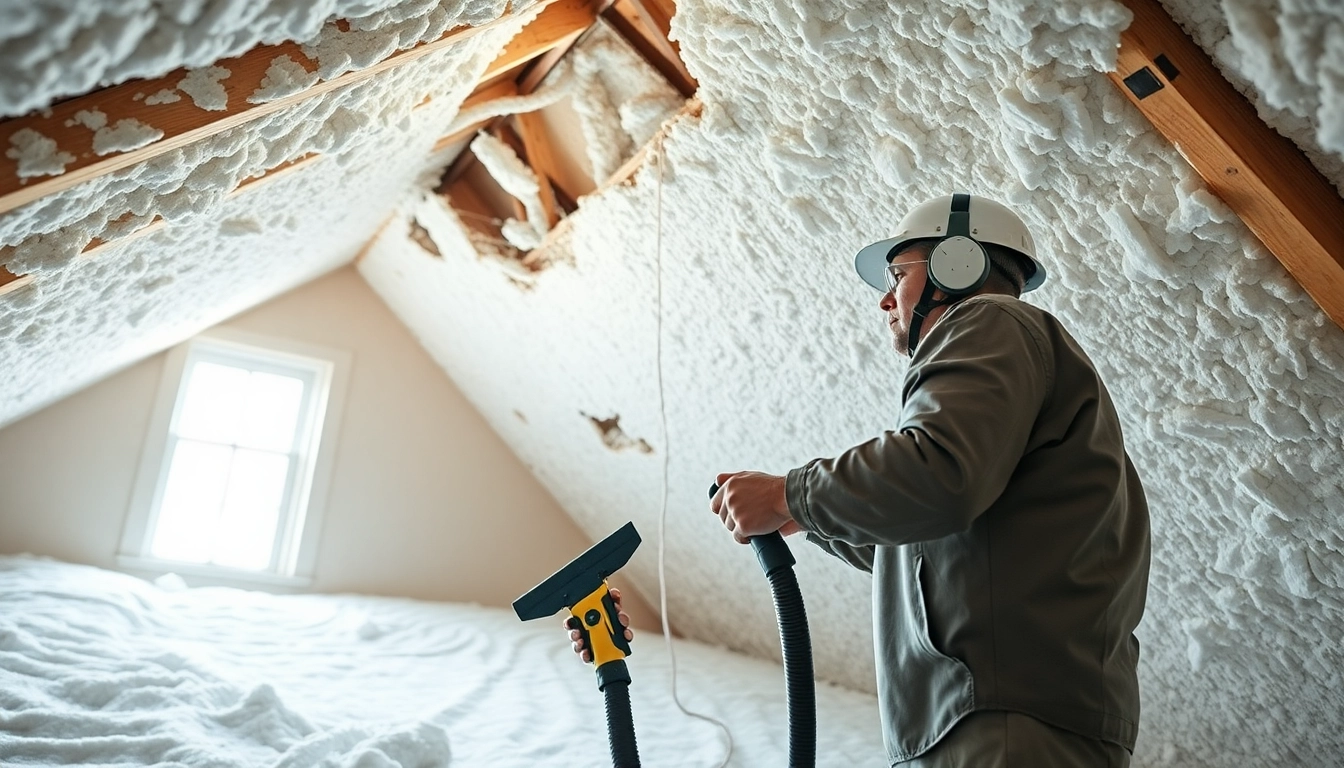
Understanding Spray Foam and Its Impact
Spray foam insulation has emerged as a popular choice for insulating buildings, owing to its exceptional energy efficiency and sealing properties. However, concerns regarding its longevity, potential dangers, and compliance with building codes can prompt homeowners and property managers to seek spray foam removal Portsmouth services. In this guide, we will explore the nuances of spray foam insulation, its benefits, the scenarios necessitating its removal, and the intricacies involved in the removal process.
What is Spray Foam Insulation?
Spray foam insulation is a powerful insulator that is produced by mixing two liquid components: isocyanate and polyol resin. When combined, they expand into a foam that can be sprayed into various spaces, such as attics, walls, and basements, creating a robust insulation layer. This foam hardens and adheres tightly to surfaces, which enhances its effectiveness in preventing heat loss and air infiltration.
Benefits of Spray Foam in Buildings
- Energy Efficiency: Spray foam provides superior insulation compared to traditional materials like fiberglass, significantly reducing heating and cooling energy needs.
- Air Sealing: It creates an airtight seal, minimizing drafts and improving indoor air quality by reducing pollen, dust, and other pollutants.
- Moisture Protection: Closed-cell spray foam is resistant to moisture penetration, diminishing the chances of mold and mildew growth.
- Structural Integrity: The rigidity of spray foam can increase the structural strength of walls and roofs.
When is Removal Necessary?
Despite its advantages, there are circumstances under which spray foam insulation needs to be removed. These situations include significant deterioration due to environmental degradation, issues related to improper installation, or when renovations demand a change in insulation material. Understanding when to remove spray foam is crucial to maintaining a safe and efficient building environment.
Identifying the Need for Spray Foam Removal Portsmouth
Identifying the signs of deteriorating spray foam and understanding the implications of neglecting these signs is essential for maintaining an effective and safe insulation solution. Property owners should remain vigilant about the following indicators.
Signs of Deterioration
- Visible Damage: Look for peeling, cracking, or breakdown of the foam, which may indicate that the material has lost its insulating properties.
- Increased Energy Bills: A sudden spike in energy costs can signal that the insulation is compromised and failing to maintain temperature.
- Mold Presence: Formations of mold or mildew suggest that moisture is getting trapped, rendering the insulation ineffective.
- Unpleasant Odors: Foul smells can indicate that the foam is decaying or interacting poorly with its environment.
Health Risks Associated with Old Foam
Health risks can arise from older spray foam insulation, particularly if the foam has begun to deteriorate. Decomposing foam may release harmful off-gases or particulates, which can aggravate allergies, respiratory issues, or other health concerns. It is paramount to evaluate the age and condition of spray foam materials to protect both residents and visitors in any building.
Building Codes and Compliance
Local regulations may dictate the standards for insulation materials and their removal. Non-compliance can lead to severe penalties and hinder property sales. Familiarizing oneself with Portsmouth’s building codes is vital to ensure that any spray foam insulation meets safety standards and that removal is conducted in accordance with local laws.
The Spray Foam Removal Process Explained
The removal of spray foam insulation is a specialized process that requires careful preparation, proper tools, and professional expertise. A well-executed removal will ensure that the areas damaged by aged insulation can be restored to proper condition.
Preparation Steps for Safe Removal
Before embarking on the removal of spray foam, it is crucial to prepare adequately. This involves:
- Assessment: Conduct a thorough inspection to determine the extent of degradation and the necessary removal areas.
- Safety Measures: Equip workers with personal protective equipment (PPE) including gloves, masks, and goggles to avoid exposure to chemicals or dust.
- Ventilation: Ensure adequate ventilation in the working space to minimize inhalation of potentially harmful fumes.
Tools Required for Effective Removal
Using the right tools is vital for effective spray foam removal. Necessary equipment includes:
- Utility Knife: Useful for cutting through the foam layers effectively.
- Heat Gun: Assists in softening the foam, making it easier to peel away.
- Scrapers and Chisels: Help to remove stubborn pieces of foam.
- Industrial Vacuum: Essential for cleaning up debris post-removal without spreading particles throughout the environment.
Guide to Hiring Professionals
You may want to consider hiring professional services for spray foam removal, as they have the expertise and tools necessary to execute the job safely and efficiently. When selecting a contractor, look for licensed and insured professionals with specific experience in spray foam removal, and ask for references or testimonials to ensure reliability and quality of work.
Post-Removal Considerations
After spray foam has been successfully removed, it is crucial to manage the subsequent phases effectively to restore your property to optimal conditions.
Cleaning and Restoration Post-Removal
Following the removal of spray foam, the area must be thoroughly cleaned to eliminate dust and debris. This might involve using industrial vacuums and ensuring that all residues are cleared. You should also inspect the underlying structure for damage, which may require repairs before new insulation can be installed.
Evaluating Alternatives to Spray Foam
Once removal is complete, it is an opportunity to consider insulation alternatives that may better suit your needs. Some common alternatives include:
- Fiberglass Insulation: A popular choice for its affordability and effectiveness.
- Cellulose Insulation: Made from recycled paper products, it’s an eco-friendly option.
- Mineral Wool: Known for its fire-resistant properties.
Maintaining Insulation Standards
After replacing your insulation, ensuring it remains effective is essential. Regular inspections and maintenance should be scheduled to identify any potential issues early. Proper ventilation and moisture control can further enhance the performance of your chosen insulation material.
FAQs About Spray Foam Removal Portsmouth
What are the costs associated with spray foam removal Portsmouth?
Costs can vary based on the extent of removal needed, the area to be treated, and contractor rates. It is advisable to get multiple quotes for accurate budgeting.
How long does the spray foam removal process take?
The removal process typically takes 1 to 3 days, depending on the quantity of foam and the complexity of the job.
Is it safe to remove spray foam insulation myself?
While DIY removal is possible, it can pose health risks and may require specific tools and protective gear. Hiring professionals is often safer and more effective.
What should I do after the removal?
After removal, ensure the area is clean, assess for damage, and consider your next steps for insulation replacement or restoration.
Can I replace spray foam with another type of insulation?
Yes, many alternatives exist, including fiberglass, cellulose, or mineral wool. Each has different properties and benefits depending on your requirements.