
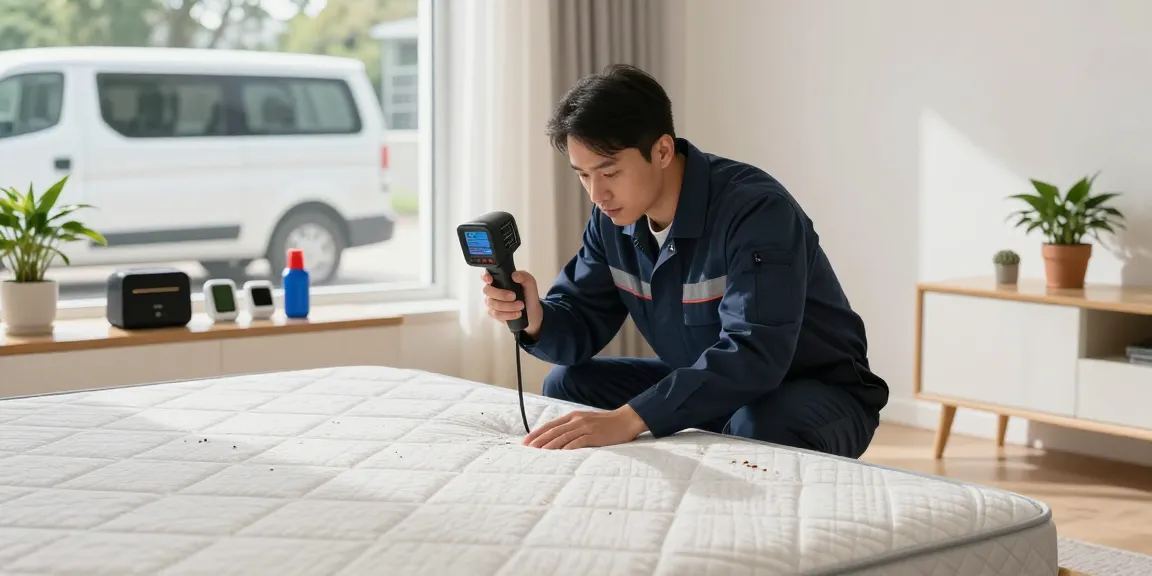
Understanding the Bed Bug Problem
Bed bugs are more than just a nuisance; they are resilient pests that can disrupt our lives in significant ways. Often invading our homes without warning, these tiny insects can trigger anxiety and sleepless nights. With their population on the rise, especially in urban areas like Milwaukee, understanding the bed bug problem is more crucial than ever. When it comes to effective solutions for combating these pests, exploring options for bed bug treatment is essential for maintaining a healthy and comfortable living environment.
What Are Bed Bugs and How Do They Infest Homes?
Bed bugs (Cimex lectularius) are small, reddish-brown insects that feed on the blood of humans and animals. Adult bed bugs are roughly the size of an apple seed, with flat bodies that swell and become elongated after feeding. These pests are nocturnal, emerging at night to feed on their unsuspecting hosts. Their flat bodies allow them to hide easily in small crevices, making it difficult to detect an infestation until it’s too late. Bed bugs infest homes primarily through travel; they may hitch a ride on luggage, clothing, or second-hand furniture, leading to unexpected outbreaks.
Signs of a Bed Bug Infestation
Identifying the signs of a bed bug infestation early can be crucial for managing the problem effectively. Some common indicators include:
- Itchy, red welts on the skin, often in clusters or lines.
- Small bloodstains on sheets and mattresses, left behind after a meal.
- Dark, inky spots of excrement on bedding or furniture.
- Shell casings or shed skins from growing bed bugs.
- A musty odor in areas where bed bugs are prevalent.
Recognizing these signs early leads to quicker intervention and can reduce the spread of the infestation.
Common Myths About Bed Bugs
Despite their prevalence, many myths surround bed bugs. One misconception is that bed bugs are only found in dirty or unkempt homes. This is far from the truth; bed bugs can thrive in any environment, regardless of cleanliness. Another myth is that bed bugs exclusively inhabit mattresses or beds. In reality, they can hide in various locations, including furniture joints, behind baseboards, and even within electrical outlets. Understanding these myths can help in better prevention and control strategies.
Effective Bed Bug Treatment Options
When faced with a bed bug infestation, it is crucial to implement effective treatment strategies. Various methods are available, each with its pros and cons. An integrated approach is often recommended for optimal results.
Heat Treatment: Benefits and Process
One of the most effective methods for exterminating bed bugs is heat treatment. This process raises the temperature of the infested area to a level lethal to bed bugs, typically between 120°F and 140°F. The benefits of heat treatment include:
- Eco-friendly approach as it uses no chemicals.
- Ability to eliminate bed bugs in all life stages, including eggs.
- Fast results with treatments typically completed in one day.
During the treatment process, specialized equipment is used to heat the rooms thoroughly. However, it is essential to prepare your home by removing heat-sensitive items and ensuring that the technicians have proper access to all infested areas.
Chemical Treatments: What You Need to Know
Chemical treatments involve the application of insecticides designed to kill bed bugs on contact or through prolonged exposure. While they can be effective, it’s crucial to choose the right products. A professional exterminator will often apply commercial-grade insecticides that create residual barriers to prevent re-infestation.
While some DIY products may seem appealing, they often lack the power to eliminate an established infestation due to their inability to reach all hiding places. Relying solely on these can prolong the problem.
Combination Treatments for Maximum Efficacy
For the best results, many pest control specialists recommend a combination of heat and chemical treatments. This dual approach maximizes effectiveness by ensuring immediate elimination and long-term protection against reinfestation. The combined strategy not only addresses the active bed bug population but also helps in creating an environment less favorable for future infestations.
Preparing Your Home for Bed Bug Treatment
Preparation is key to the success of any bed bug treatment. Homeowners should take various steps to ensure the effectiveness of the extermination process.
Steps for Homeowners Before Treatment
Before treatment begins, homeowners should follow these steps:
- Clear clutter from bedrooms and infested areas to allow access for treatment.
- Wash and dry clothing, bedding, and linens on the highest heat setting.
- Seal items in plastic bags to prevent cross-contamination.
- Consider vacuuming to remove any visible bugs or debris.
These steps help create a more effective treatment environment, allowing the exterminators to work efficiently.
How to Protect Your Belongings
During the treatment process, it’s crucial to protect your belongings. Use plastic covers for your mattresses and furniture to prevent reinfestation from any dormant bugs that remain. Avoid moving items from room to room, as this can spread the infestation.
What to Expect During the Treatment Process
The treatment process can vary depending on the chosen method and severity of the infestation. Typically, you can expect the following:
- Initial inspection to assess the severity and treatment needs.
- Application of the chosen treatment method.
- Post-treatment follow-up to ensure effectiveness and address any remaining issues.
Understanding the treatment process will help reduce anxiety and prepare you for the next steps.
Post-Treatment Best Practices
After treatment, maintaining a bed bug-free home involves vigilance and care. Here are some essential practices to follow:
Monitoring for Re-Infestation
Regular monitoring is crucial to ensure that bed bugs do not return. Frequent inspections of sleeping areas and furniture will help identify any new signs of bed bugs early. Additionally, using bed bug traps can help catch any wandering pests before they can establish a new infestation.
Steps to Maintain a Bed Bug-Free Home
To maintain a bed bug-free environment, consider the following preventive measures:
- Encasing mattresses and box springs with bed bug-proof covers.
- Avoiding the purchase of used furniture without thorough inspection.
- Regularly washing and drying bedding on high heat.
Implementing these measures will significantly lower the risk of a re-infestation.
When to Call for Professional Help
If you suspect a returning infestation, it’s essential to contact a professional exterminator immediately. Early intervention can help reduce the severity and cost of treatment.
Future Trends in Bed Bug Treatments
The pest control industry is continually evolving. With the rising threat of bed bugs, future trends are likely to focus on innovative solutions that are both effective and environmentally friendly.
Innovations in Pest Control Technology for 2026 and Beyond
The future of bed bug treatment may include advancements in detection technology, such as smart traps and sensors that monitor for signs of bed bugs. These innovations will potentially allow for earlier detection and intervention, preventing infestations before they escalate.
Eco-Friendly Approaches to Bed Bug Management
As public awareness of environmental issues grows, eco-friendly pest control methods are gaining popularity. Future treatments may prioritize less harmful chemicals and more natural solutions, providing effective control without compromising health and safety.
Predictions for Bed Bug Awareness and Prevention
In the coming years, increased awareness and preventive measures will be paramount. Public education campaigns may focus on recognizing the signs of bed bugs and knowing how to act quickly, reducing the stigma and fear often associated with infestations.
What Should You Do If You Suspect an Infestation?
If you suspect you have a bed bug infestation, immediate action is critical. Start with a thorough inspection of your home for signs of bed bugs. If you find evidence, do not hesitate to contact a professional exterminator to assess the situation and discuss treatment options.
Can DIY Treatments Be Effective?
While some DIY treatments can help alleviate an early-stage infestation, they often lack the comprehensiveness needed for complete elimination. Professionals have access to more potent treatments and expertise that can effectively address severe infestations.
Are Bed Bugs Resistant to Certain Treatments?
Bed bugs have demonstrated resistance to certain insecticides, which can complicate treatment efforts. For this reason, it is critical to utilize a combination of methods and stay informed about new products and techniques that can enhance effectiveness.
How to Choose a Professional Exterminator?
Choosing a reputable exterminator involves research. Check reviews, ask for references, and inquire about their methods and success rates. A qualified exterminator should be licensed, insured, and willing to provide a thorough plan for treatment.
What Are the Costs Involved in Bed Bug Treatment?
The cost of bed bug treatment can vary significantly based on factors such as the size of the infestation, location, and chosen treatment methods. A professional assessment will provide a clearer estimate based on your specific situation.