
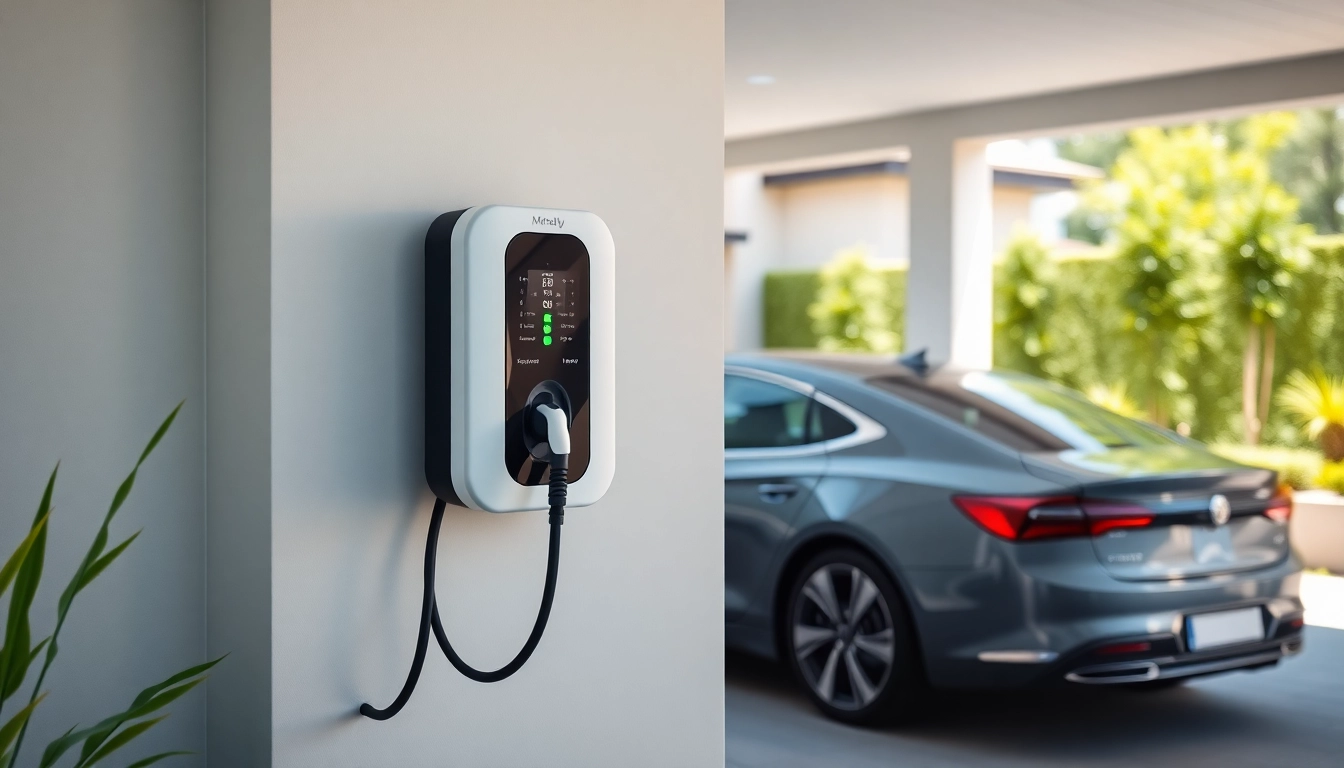
Understanding Home EV Charging Solutions
As the demand for electric vehicles (EVs) continues to rise, so does the need for efficient home charging solutions. With many households transitioning to electric mobility, understanding the ins and outs of home EV chargers is crucial for both convenience and sustainability. When it comes to reliable installations, McNally EV stands out as a trusted provider. This comprehensive guide aims to equip you with the necessary knowledge about home EV charging solutions, helping you make informed decisions for your electric vehicle charging needs.
What is McNally EV Charging?
McNally EV charging refers to the solutions and services offered by McNally EV, focusing on the installation of home EV chargers. These systems are designed to provide a convenient way to charge electric vehicles in the comfort of one’s home. By utilizing cutting-edge technology and experienced technicians, McNally EV delivers tailored installations that cater to individual requirements, ensuring safety, efficiency, and reliability.
Benefits of Home EV Chargers
Installing a home EV charger offers numerous benefits that can enhance the overall electric vehicle ownership experience:
- Convenience: Home chargers eliminate the need to visit public charging stations, allowing you to charge your vehicle overnight or whenever it’s convenient for you.
- Cost-Effective: Charging at home is often less expensive than using public charging stations, especially when utilizing off-peak electricity rates.
- Time Savings: Home charging saves the time associated with traveling to public chargers, waiting, and ensuring compatibility with various stations.
- Enhanced Resale Value: A fully installed home EV charger can increase the resale value of your property as more people seek eco-friendly solutions.
- Control Over Charging: You can schedule charging times to align with off-peak electricity usage, maximizing savings.
Types of EV Chargers Available
There are primarily three types of EV chargers available for home installations, each serving different needs:
- Level 1 Chargers: These use standard household outlets (120V). They are convenient for plug-in charging but slow, typically providing 2-5 miles of range per hour of charging.
- Level 2 Chargers: Operating at 240V, Level 2 chargers are faster and more efficient, offering charging rates of 10-60 miles of range per hour, depending on the vehicle.
- DC Fast Chargers: Primarily used in commercial settings, DC fast chargers can deliver a significant charge in a short amount of time but are generally not used for at-home charging due to higher installation costs.
How to Choose the Right EV Charger
Selecting the right EV charger for your needs is vital for ensuring an optimal charging experience. The following factors are essential to consider:
Key Features to Look For
When evaluating EV chargers, consider the following features:
- Charging Speed: Look for a charger that offers a good balance of speed to fit your daily driving needs.
- Smart Features: Many modern chargers come equipped with Wi-Fi connectivity, allowing for app controls, scheduling, and energy monitoring.
- Safety Certifications: Ensure the charger is certified by organizations such as Underwriters Laboratories (UL) or the International Electrotechnical Commission (IEC) to guarantee safety standards.
- Durability: The construction quality is vital for outdoor installations. Look for weatherproof chargers with robust designs.
- Warranty: A solid warranty can provide peace of mind in case of defects or issues related to the charger.
Assessing Home Electrical Capacity
Before installing a charger, it’s important to assess your home’s electrical capacity:
- Panel Capacity: Determine if your current electrical panel can handle the additional load required for an EV charger.
- Wiring Conditions: Check for older wiring that may need upgrades to accommodate a charger safely.
- Load Calculation: A licensed electrician should perform a load calculation to ensure that your home can support the charger and any other electrical needs.
Cost Considerations for Installation
Understanding the cost associated with installing an EV charger can help you prepare budget-wise. Typical costs include:
- Charger Costs: Level 1 chargers start at a lower price point, while Level 2 chargers might range from £400 to £1,000 depending on features.
- Installation Fees: Labor costs typically range from £200 to £800, depending on the complexity of the installation.
- Additional Upgrades: Any necessary electrical upgrades or modifications will add to the total cost.
Steps for a Successful EV Charger Installation
Proper installation of your EV charger is essential for its functionality and safety. Follow these steps for successful installation:
Preparing Your Home for Installation
Before the installation process, ensure you have:
- Analyzed your electrical capacity and needs.
- Cleared the installation area of any obstructions.
- Gathered relevant documentation about your charger and home electrical system.
Finding a Qualified Installer
Choosing the right professional for your installation is crucial. Ensure that:
- The installer is certified and experienced in EV charger installations.
- They have excellent customer reviews and testimonials.
- You receive a detailed quote covering all aspects of the installation.
Installation Process Overview
The installation typically follows these steps:
- Assessment: The installer will assess your home and discuss your preferences.
- Installation: Many installers will run wiring, mount the charger unit, and connect it to your home’s power supply.
- Testing: Before completion, a thorough test will confirm that everything operates correctly.
- Final Walkthrough: The installer will provide instructions and safety information for your charger.
Maximizing the Use of Your McNally EV Charger
After installation, maximizing your charger’s efficiency and effectiveness can enhance your overall experience:
Scheduling Charging Times Efficiently
Utilizing time-of-use rates, you can schedule your charging during off-peak hours when electricity rates are lower:
- Select specific times for charging through smart charger functionalities.
- Consider charging overnight to take advantage of lower rates.
Integrating Smart Home Features
Integrating your charger with smart home systems can streamline usage:
- Use apps to monitor energy consumption and charging times.
- Integrate with home automation systems to optimize energy use based on household needs.
Maintaining Your EV Charger
Regular maintenance ensures your charger remains in good condition:
- Check connections and cables periodically for any signs of wear.
- Keep the charging area free from debris and obstruction.
- Schedule annual inspections with your installer to ensure it continues to operate safely.
Frequently Asked Questions about McNally EV
What is the installation time for a McNally EV charger?
Typically, installation takes 2-4 hours, depending on the type of charger and existing electrical infrastructure.
Can I install the McNally EV charger myself?
It’s recommended to hire a licensed electrician to ensure safe and compliant installation for your McNally EV charger.
What are the costs associated with McNally EV installation?
Costs vary but typically range from £600 to £1,500, including the charger, installation, and any necessary electrical upgrades.
Are there any running costs for McNally EV charging?
Operating costs depend on electricity rates. Charging at home is generally cheaper than public stations.
What warranty options are available for McNally EV chargers?
Most McNally EV chargers come with a warranty of 2 to 5 years, covering defects and some parts replacement.
