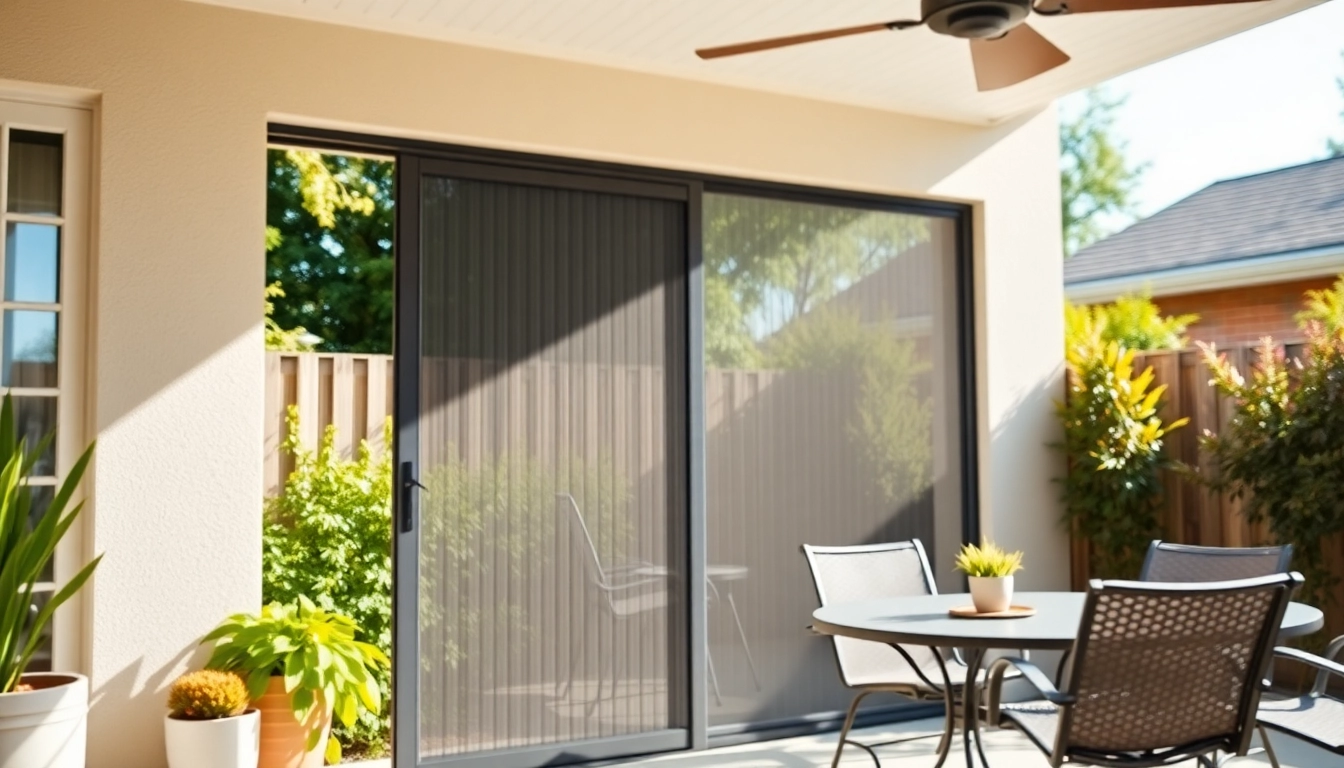
Understanding Fly Screens for Patio Doors
What is a Fly Screen for Patio Doors?
A fly screen for patio doors is a mesh screen that acts as a barrier against insects and other unwanted pests, allowing for fresh air to flow into your living space. Typically installed on doors that open to patios or outdoor areas, these screens come in various designs and sizes to fit different door types, enhancing both functionality and aesthetics. For those interested in a blend of style and efficiency, exploring options for a fly screen for patio doors can substantially improve your outdoor experience by keeping bugs at bay while allowing you to enjoy the breeze.
Benefits of Using Fly Screens
Fly screens offer numerous benefits to homeowners looking to enhance their comfort and protect their indoor environments. With effectively installed fly screens, homeowners can:
- Prevent Insect Infestation: The primary role of a fly screen is to keep pesky insects such as flies, mosquitoes, and other bugs out of your homes, especially during warm months when doors are frequently opened.
- Enhance Airflow: Unlike solid doors, fly screens provide excellent ventilation, making your indoor spaces more comfortable while keeping them protected from pests.
- Energy Efficiency: Using fly screens helps reduce reliance on air conditioning, thus conserving energy and leading to lower electricity bills.
- Maintain Aesthetic Appeal: modern fly screens come in various designs that blend seamlessly with patio doors, adding to your home’s aesthetic without detracting from architectural features.
Materials Used in Fly Screens
Fly screens are constructed from various materials that cater to different needs and budgets. The most common materials include:
- Fiberglass: Lightweight and resistant to rust, fiberglass screens are popular due to their durability and affordability. They can also be easily fitted into various frame types.
- Aluminum: Aluminum screens are robust and provide excellent protection against larger insects. They are more enduring than fiberglass but may not be as flexible.
- Stainless Steel: For areas prone to corrosion, stainless steel screens offer high durability and security, making them ideal for long-term use.
- Pet-Resistant Material: If you have pets, consider screens designed with pet resistance in mind, ensuring they withstand frequent scratches and impacts.
Choosing the Right Fly Screen for Your Needs
Factors to Consider in Selection
When selecting a fly screen for patio doors, consider several key factors to ensure you make the right choice:
- Door Type: Determine if you have sliding, hinged, or bi-fold doors, as the type will influence which fly screen designs are suitable.
- Location: Assess the seasonality of insect activity in your area. If you frequently encounter certain pests, opt for screens with finer mesh openings.
- Frequency of Use: If doors are opened frequently, choose a durable screen that can withstand wear and tear. A retractable or magnetic screen could be practical for easy access.
- Style and Color: Choose a style and color that complements your home’s design. Custom options offer flexibility to match frame colors and styles.
Measuring for Perfect Fit
Proper measurement of your patio door is crucial to ensuring that your fly screen fits perfectly. Here’s a step-by-step process:
- Measure the Width: Start by measuring the door's width at three points—top, middle, and bottom—and use the smallest measurement.
- Measure the Height: Measure the height of the door frame from top to bottom on both sides.
- Consider the Frame Style: If your patio door features a frame, account for its thickness in your measurements.
Custom vs. Ready-Made Fly Screens
Deciding between custom and ready-made fly screens depends on your specific needs:
- Custom Fly Screens: Ideal for unique door shapes or sizes, these screens are tailored to fit perfectly, ensuring no gaps for insects to sneak through. They often come with better aesthetics but can be more expensive.
- Ready-Made Fly Screens: A budget-friendly option, available in standard sizes that fit most common door types. However, they might not provide the tight fit of custom screens, and adjustments may be needed.
Installing Your Fly Screen for Patio Doors
Step-by-Step Installation Guide
Installing a fly screen for patio doors can be a straightforward DIY task. Here’s a concise guide:
- Gather Your Tools: You will need screws, a screwdriver, a measuring tape, and an assistant for larger screens.
- Prepare the Area: Clean the door frame thoroughly to ensure proper adhesion and fitting of the fly screen.
- Fit the Screen: Align the upper part of the screen with the top of your door frame and secure it using screws.
- Secure the Bottom: Ensure the screen is taut and secure the bottom part in place, checking for gaps.
- Final Checks: Open and close the door to ensure smooth movement and that the screen aligns correctly.
Common Installation Mistakes to Avoid
While installing your fly screen, be mindful of these common mistakes:
- Incorrect Measurements: Always double-check your measurements before purchasing or cutting the screen.
- Neglecting Frame Compatibility: Ensure the material and style of the fly screen is compatible with your door type.
- Improper Fastening: Don’t overtighten screws as this can warp the screen or lead to damage during adjustments.
Tools Needed for Installation
Here’s a checklist of tools you may need to install your fly screen for patio doors:
- Measuring tape
- Level tool
- Screwdriver (manual or electric)
- Scissors or utility knife
- Drill (if necessary for frame fittings)
- Cleaning cloth
Maintaining Your Fly Screens
Cleaning and Care Tips
To keep your fly screens in top condition, regular cleaning is essential. Follow these tips for maintenance:
- Dust Regularly: Use a vacuum or a soft brush to remove dust and debris from the screen surface without damaging it.
- Cleaning Solution: Use a mild soap solution and a soft cloth to clean the screen. Avoid harsh chemicals that might degrade the material.
- Inspect for Tears: Regularly check for small holes or fraying edges, as these can compromise effectiveness.
Signs Your Fly Screen Needs Replacement
Be vigilant for signs that indicate it may be time to replace your fly screen:
- Visible Damage: Look for significant tears, holes, or bent frames that cannot be easily repaired.
- Frequent Bug Intrusions: If pests are entering despite the screen, the mesh might be compromised.
- Weathering: Prolonged exposure to sun, rain, or harsh weather can weaken the material over time.
Improving Lifespan of Fly Screens
To enhance the longevity of your fly screens, consider these proactive measures:
- Store Seasonally: If not needed during certain seasons, dismantling and storing the screens can prevent weather-induced wear.
- Use Protective Coatings: Apply protective sprays designed for the material of your fly screen to resist environmental damage.
- Proper Upkeep: Regular cleaning and immediate repairs of minor damage can extend the working life of your fly screen significantly.
Frequently Asked Questions about Fly Screens
Can a fly screen be installed on any patio door?
Generally, yes. Fly screens can be adapted for various patio door types, including sliding and hinged, with custom options for non-standard sizes.
Are fly screens effective against all insects?
While fly screens effectively keep out most flying insects, smaller pests like some species of gnats may occasionally find their way through finer meshes.
How do I clean my fly screen?
Use a mild soap solution and a soft cloth or sponge to gently clean your fly screen. Avoid abrasive cleaners that could damage the material.
Do fly screens block airflow?
No, fly screens are designed to allow airflow while providing a barrier to insects, making them effective in maintaining ventilation without blocking breezes.
How do I measure for a fly screen?
Measure the width and height of the door frame in three places (top, middle, bottom) and use the smallest dimensions to ensure a proper fit.