Understanding Waterproof Vinyl Flooring
What is Waterproof Vinyl Flooring?
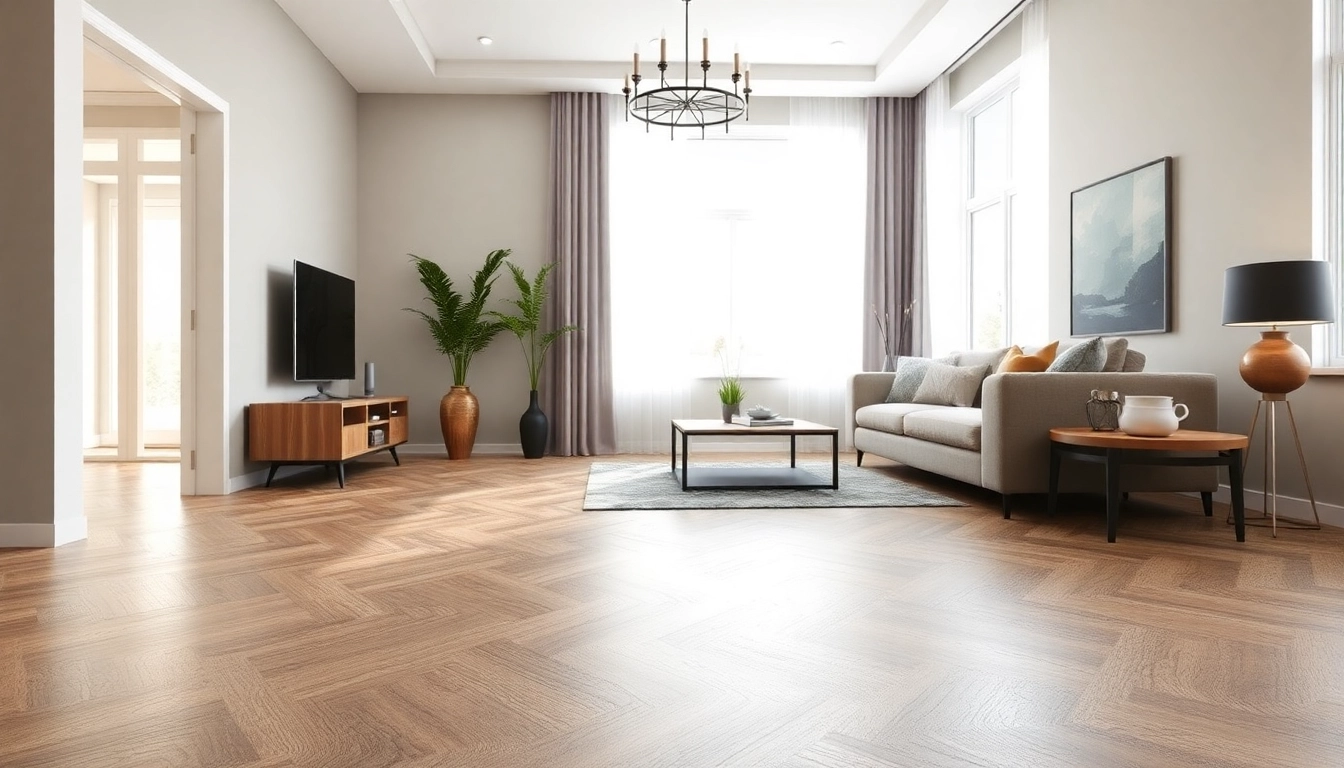
Waterproof vinyl flooring is a modern flooring option designed to withstand moisture, making it ideal for areas prone to spills and humidity. Unlike traditional vinyl, waterproof vinyl features a special backing and multiple layers that prevent water from penetrating the surface. This flooring type is made from polyvinyl chloride (PVC) and undergoes a rigorous manufacturing process, including protective coatings that enhance durability and resilience. The result is a versatile, stylish, and long-lasting flooring solution that can mimic the appearance of natural materials such as wood and stone, providing both aesthetic and functional benefits.
Key Benefits of Waterproof Vinyl Flooring
Choosing waterproof vinyl flooring comes with a plethora of benefits that set it apart from traditional flooring options. Here are some of the key advantages:
- Moisture Resistance: As the name suggests, waterproof vinyl flooring is resistant to water damage, making it perfect for kitchens, bathrooms, and basements.
- Durability: It is built to withstand heavy foot traffic and its resistance to scratches and stains translates into a longer lifespan.
- Easy Maintenance: Regular cleaning requires little more than sweeping and occasional mopping, making it a low-maintenance option for homeowners.
- Cost-Effective: It is generally more affordable than hardwood or stone flooring while offering a similar look, making it a budget-friendly choice.
- Comfort: Waterproof vinyl is softer underfoot compared to tile or laminate, which can make it more comfortable for standing for long periods.
Types of Waterproof Vinyl Flooring
Waterproof vinyl flooring comes in various forms, each suited for different applications and personal preferences. The main types include:
- Luxury Vinyl Plank (LVP): This type mimics hardwood flooring and is popular for its realistic textures and colors.
- Luxury Vinyl Tile (LVT): Designed to replicate the look of ceramic or stone tiles, LVT offers similar aesthetics with the added benefit of waterproof properties.
- Sheet Vinyl: This is a rolled vinyl product that is often more affordable and great for large areas, available in a wide range of patterns and colors.
Choosing the Right Waterproof Vinyl Flooring
Factors to Consider
When selecting waterproof vinyl flooring, there are several factors to keep in mind to ensure you make an informed decision:
- Room Functionality: Consider where the flooring will be installed and choose appropriate levels of durability.
- Style Preferences: From traditional wood finishes to contemporary tiles, find a style that aligns with your home’s décor.
- Thickness and Wear Layer: A thicker plank with a durable wear layer increases longevity and resistance to wear.
- Installation Method: Opt for either glue-down, click-lock, or loose lay based on your comfort with DIY projects and the subfloor condition.
How to Match Styles with Your Home Decor
Matching your waterproof vinyl flooring with your home decor involves careful consideration of color, texture, and overall style. Here are some tips:
- Color Coordination: Choose a flooring color that complements existing elements in your home, such as walls and furniture.
- Complementary Textures: If your decor includes a range of textures, select flooring that provides balance yet doesn’t clash with other materials.
- Theme Consistency: Ensure the flooring aligns with the overall theme of your home, whether it is modern, rustic, or traditional.
Cost Considerations for Waterproof Vinyl Flooring
The cost of waterproof vinyl flooring varies significantly based on material quality, brand, and installation method. Key cost considerations include:
- Material Quality: Higher quality materials may have a higher upfront cost but can save money long-term due to durability and less frequent replacements.
- Installation Expenses: Professional installation costs can add to your budget, so determine if you will DIY or hire a contractor.
- Maintenance Expenses: Long-term costs are influenced by maintenance requirements, so consider the ease of upkeep when evaluating overall expenditure.
Installation Techniques
DIY vs. Professional Installation
One of the first decisions you’ll face when opting for waterproof vinyl flooring is whether to install it yourself or hire a professional. DIY installation can save money, but it requires attention to detail and the right tools. Conversely, professional installation guarantees quality work but comes with an additional cost. Weighing the pros and cons is essential:
- DIY Advantages: Cost savings, flexibility in timing, and a sense of accomplishment.
- Professional Advantages: Expertise, faster installation, and warranty protection.
Step-by-Step Guide for DIY Installation
For those inclined to go the DIY route, here’s a step-by-step guide for installing waterproof vinyl flooring:
- Preparation: Clear the installation area and ensure the subfloor is clean, dry, and level.
- Acclimation: Allow the planks to acclimatize to the room conditions for at least 48 hours.
- Measure and Cut: Use appropriate measuring tools and a utility knife to cut pieces as needed.
- Installation: Start from one corner, clicking or gluing planks together depending on the type. Ensure tight seams for water resistance.
- Finishing Touches: Install baseboards or trim to cover edges and secure the flooring in place.
Common Installation Mistakes to Avoid
Installing waterproof vinyl flooring can be straightforward, but common mistakes can lead to subpar results. Here are important pitfalls to avoid:
- Ignoring Subfloor Preparation: A clean, level surface is crucial for a successful installation.
- Neglecting Acclimation: Failure to acclimate materials can lead to expansion or contraction post-installation.
- Improper Tools: Using the wrong tools may compromise precision and quality.
- Skipping Manufacturer Instructions: Always refer to specific installation guidelines to avoid warranty issues.
Caring for Waterproof Vinyl Flooring
Daily Maintenance Tips
Keeping your waterproof vinyl flooring in excellent condition involves regular upkeep. Daily maintenance tips include:
- Sweeping or Vacuuming: Remove dirt and debris daily to prevent scratches.
- Damp Mopping: Use a damp mop with a mild cleaner weekly to maintain cleanliness without oversaturating the floor.
- Rug Placement: Use area rugs in high-traffic areas to protect the flooring from wear and scuff marks.
Long-Term Care Strategies
For long-term maintenance, consider the following strategies:
- Periodic Deep Cleaning: Conduct a deep clean periodically using a manufacturer-recommended cleaner to remove stubborn dirt.
- Maintain Room Humidity: Ensure that humidity levels in the home are kept stable to avoid warping or buckling.
- Protective Measures: Always lift heavy furniture instead of dragging it across the floor to prevent damage.
Dealing with Damage and Repairs
Even the most durable waterproof vinyl flooring might undergo some wear or damage over time. Here’s how to handle common issues:
- Patching Scratches: Use a vinyl floor repair kit for minor scratches and scuffs.
- Replacing Planks: For serious damage, you can replace individual planks without needing to redo the entire floor. Always keep extra tiles or planks for repairs.
- Professional Repairs: For extensive damage, consider hiring professionals for a more thorough repair process.
FAQs About Waterproof Vinyl Flooring
Is waterproof vinyl flooring suitable for all areas?
Yes, it’s great for areas prone to moisture like kitchens and bathrooms.
How do I clean waterproof vinyl flooring?
Regular sweeping or vacuuming followed by mopping with a mild cleaner works best.
Will waterproof vinyl flooring fade over time?
High-quality options resist fading; choose UV-protected designs for longevity.
Can I install waterproof vinyl flooring over existing floors?
Yes, provided the surface is smooth and secured; always check manufacturer guidelines.
What is the lifespan of waterproof vinyl flooring?
Typically, it lasts 10-20 years with proper care and maintenance.