Understanding the Basics of Basement Renovation
What is Basement Renovation?
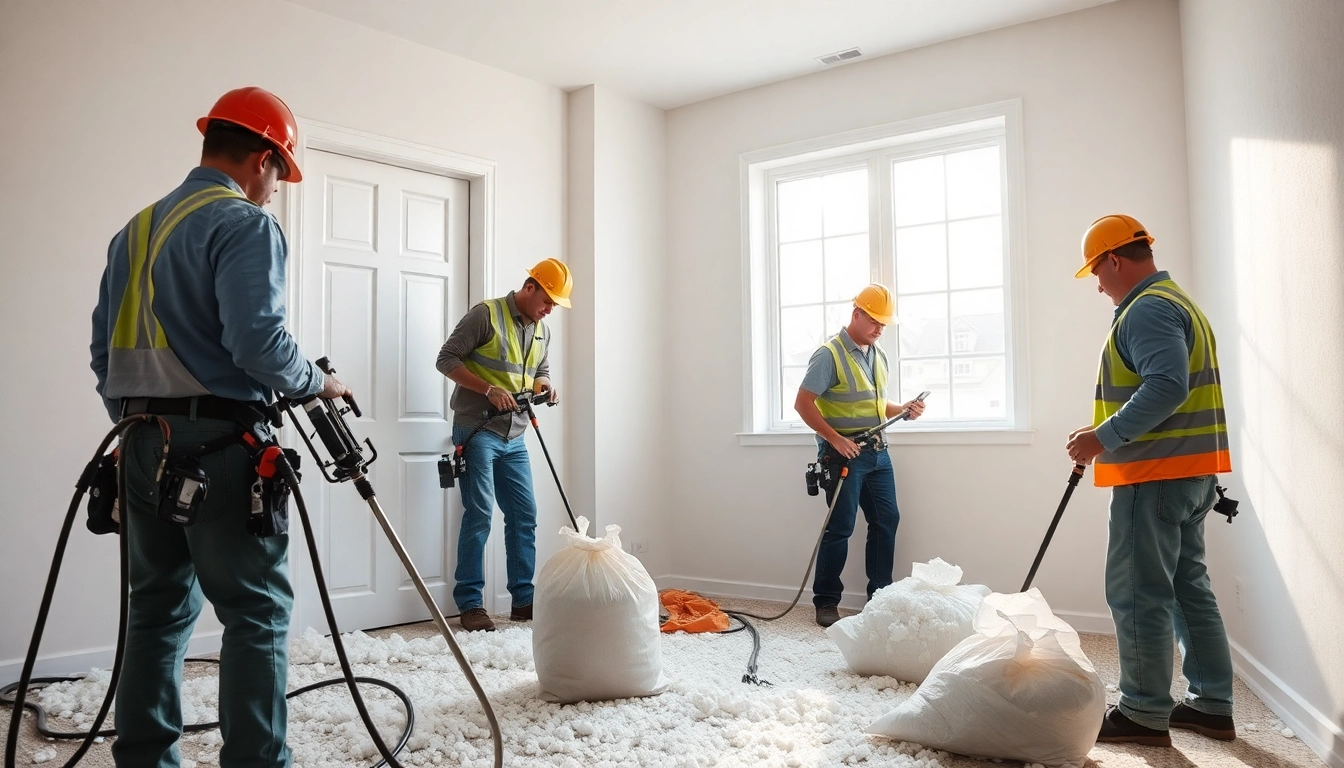
Basement renovation is the process of transforming an unfinished or partially finished basement into a functional and aesthetically pleasing living space. This undertaking might include adding rooms, installing insulation, improving flooring, and upgrading electrical and plumbing systems. A well-executed basement renovation significantly enhances a home’s value by providing additional space for recreation, storage, or living amenities.
Benefits of Basement Renovation
One of the primary advantages of basement renovation is increased living space. This enhancement can provide a family room, home office, gym, or rental unit, depending on your needs. Additionally, creating a livable basement can improve energy efficiency by better insulating the home. This renovation often leads to increased property value, making it a worthwhile investment for homeowners. Furthermore, a newly renovated basement allows for customized design choices that align with modern lifestyle preferences.
Common Challenges to Anticipate
While the benefits are significant, several challenges may arise during a basement renovation. Water issues are one of the most common problems, as basements are prone to moisture and flooding. Additionally, navigating building codes and permit applications can be daunting. Structural issues related to the foundation or load-bearing walls also need consideration, as they can complicate the renovation process. Finally, inadequate lighting and ventilation are frequent complaints in basements, which must be addressed to create a pleasant environment.
Planning Your Basement Renovation Project
Setting a Realistic Budget
Establishing a realistic budget is one of the foundational steps in planning your basement renovation. Costs can range significantly based on the type of renovation—whether a simple finish or a complete structural overhaul. Typically, budgets can vary from $20,000 to $50,000 or more, depending on size, materials, and desired features. It’s crucial to include a buffer of around 10%-20% for unexpected expenses that may arise during the renovation process.
Creating a Functional Layout
Designing a functional layout involves considering how the space will be used most effectively. Factors such as accessibility, flow of movement, and natural light should be prioritized. Using software tools for virtual modeling can be beneficial, allowing you to experiment with different configurations before making physical changes. In a typical configuration, rooms should be tailored to their usage—entertainment areas may benefit from open layouts, while storage spaces should be discreet yet accessible.
Choosing the Right Materials
The choice of materials will significantly affect both the look and longevity of the renovation. It’s essential to select high-quality materials that are moisture-resistant and durable since basements are vulnerable to humidity. Options include treated wood for framing, moisture-resistant drywall, and suitable flooring options like vinyl or tile that can withstand potential water exposure. Additionally, integrating sustainable materials can enhance energy efficiency and reduce environmental impact.
Implementing Design Ideas for Basement Renovation
Popular Themes and Styles
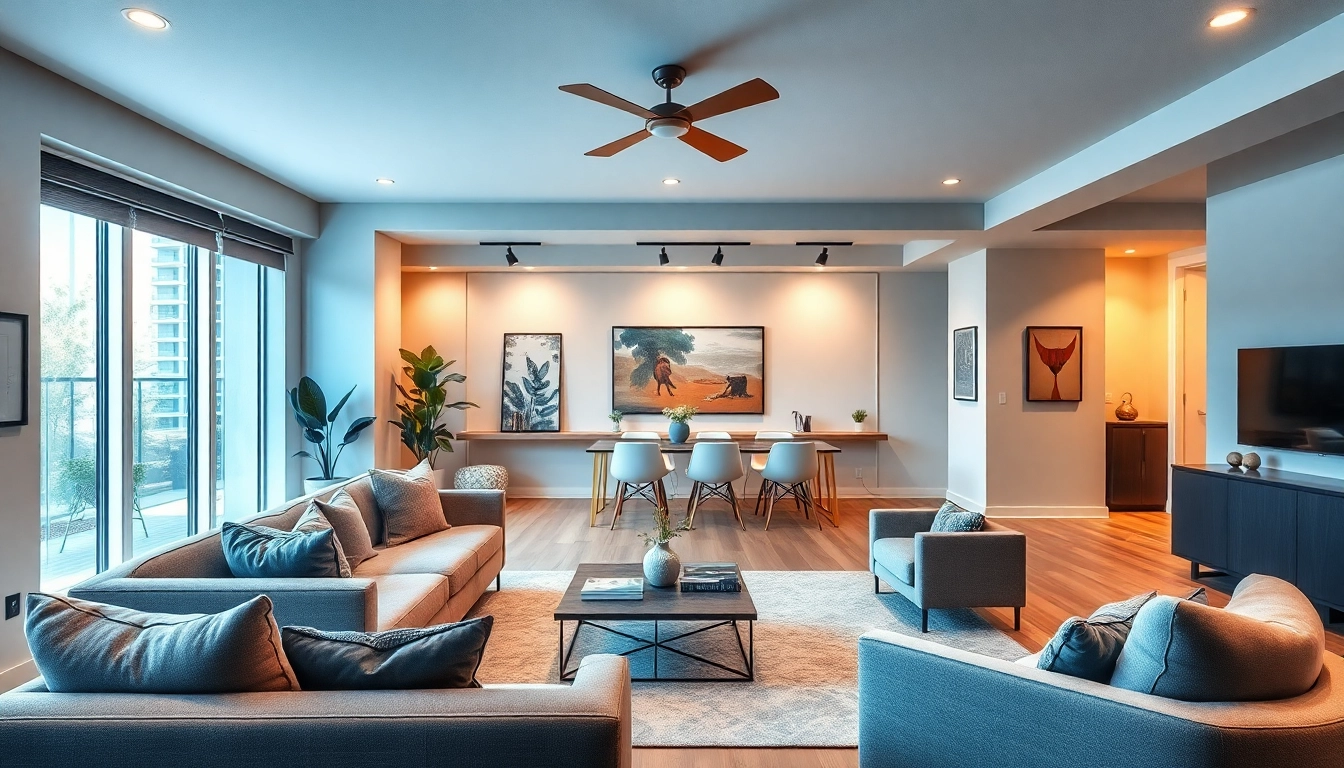
The design of your renovated basement can range from cozy and rustic to sleek and modern. Popular themes include contemporary minimalist aesthetics with clean lines and functional furnishings, or a more inviting rustic look featuring natural woods and soft textiles. You may also consider themes that complement the upstairs décor to create a cohesive flow throughout the home. Keeping the basement design aligned with personal tastes and lifestyle requirements is vital for satisfaction with the finished space.
Lighting and Atmosphere Enhancements
Proper lighting is crucial in enhancing the ambiance of a basement, which often lacks natural light. A combination of ambient, task, and accent lighting can create a warm, inviting atmosphere. Recessed lighting, wall sconces, and strategically placed lamps can illuminate dark areas and highlight design features. Using mirrors can also enhance the perception of space and light. Additionally, choosing lighter colors for walls and furniture will help reflect light and create a more open feel.
Incorporating Storage Solutions
Storage is a critical consideration in basement renovations. Innovative storage solutions, like built-in cabinets, under-stair storage, and wall-mounted shelves, maximize space without compromising aesthetics. Multi-functional furniture is another great option, providing both utility and style. Implementing creative organization tools can help keep the newly renovated space tidy, allowing it to serve its intended purpose effectively.
Legal and Structural Considerations
Permits and Regulations
Securing the necessary permits and adhering to local building codes is essential when undertaking a basement renovation. Different localities have varying requirements based on the extent of your renovation, particularly when it involves plumbing, electrical work, or structural changes. Check with your city or county building department to ensure compliance. This prevents potential fines or the need to undo work if it does not meet local standards.
Addressing Moisture Issues
Moisture control is paramount in basement renovations. Before beginning work, conduct a thorough assessment for existing water problems. Solutions may include installing a sump pump, improving drainage around the foundation, and using waterproof barriers. Addition of dehumidifiers can also help manage humidity levels. Planning for ventilation, whether through windows or mechanical means, helps maintain air quality and prevents mold growth in the newly finished space.
Ensuring Safety Compliance
Safety should always be prioritized during renovations. This involves addressing fire escape plans, ensuring proper egress from bedrooms, and installing smoke detectors. Electrical and plumbing systems should be inspected and compliant with current codes to prevent hazards. Additionally, foundation stability must be evaluated, especially if significant changes are made to support structures. Engaging professionals for inspections and installations is wise to ensure compliance.
Maintaining Your Renovated Basement
Regular Upkeep Tips
Once the renovation is complete, regular maintenance is vital to preserve the integrity of the space. Establish a routine for checking for leaks, ensuring proper ventilation, and maintaining appliances such as HVAC units. Inspect for mold or mildew, especially in seasonal shifts when humidity levels fluctuate significantly. Keeping the area clean and clutter-free will prolong the lifespan of the renovated features.
Seasonal Maintenance Checklists
Creating seasonal maintenance checklists can effectively manage upkeep. In spring and summer, focus on inspecting drainage systems and ensuring dehumidifiers are functioning. In autumn and winter, check insulation and heating systems, and monitor humidity levels to prevent freezing pipes. Addressing potential problems proactively can help avoid costly repairs in the future.
How to Protect Your Investment
Proper care and maintenance can protect your renovation investment. Regularly review upgrades to ensure they function well and meet your needs. Consider fostering a protective routine that includes inspections before and after heavy storms or seasonal changes. Additionally, documenting renovation details—including receipts and photographs—can help maintain warranties and provide evidence of the investment in case of future property valuations.
FAQs:
What are the costs associated with basement renovation?
Costs vary widely based on size, materials, and scope, but budgeting for $20,000 to $50,000 is typical for full renovations.
How long does a basement renovation typically take?
Most basement renovations take 4 to 12 weeks, depending on labor availability and project complexity.
Do I need a permit for basement renovation?
Many localities require permits for structural changes or electrical and plumbing work; check with your local building authority.
Can I do the renovation myself?
While DIY is possible, hiring professionals for key tasks ensures safety and compliance with building codes.
What are the best styles for a renovated basement?
Popular styles include modern minimalism, cozy rustic designs, or contemporary chic, tailored to your overall home aesthetic.